Regenerative Agriculture Certificate
Grazing, soil, and water systems that keep ranch country in ranch country.
A working life, taught forward
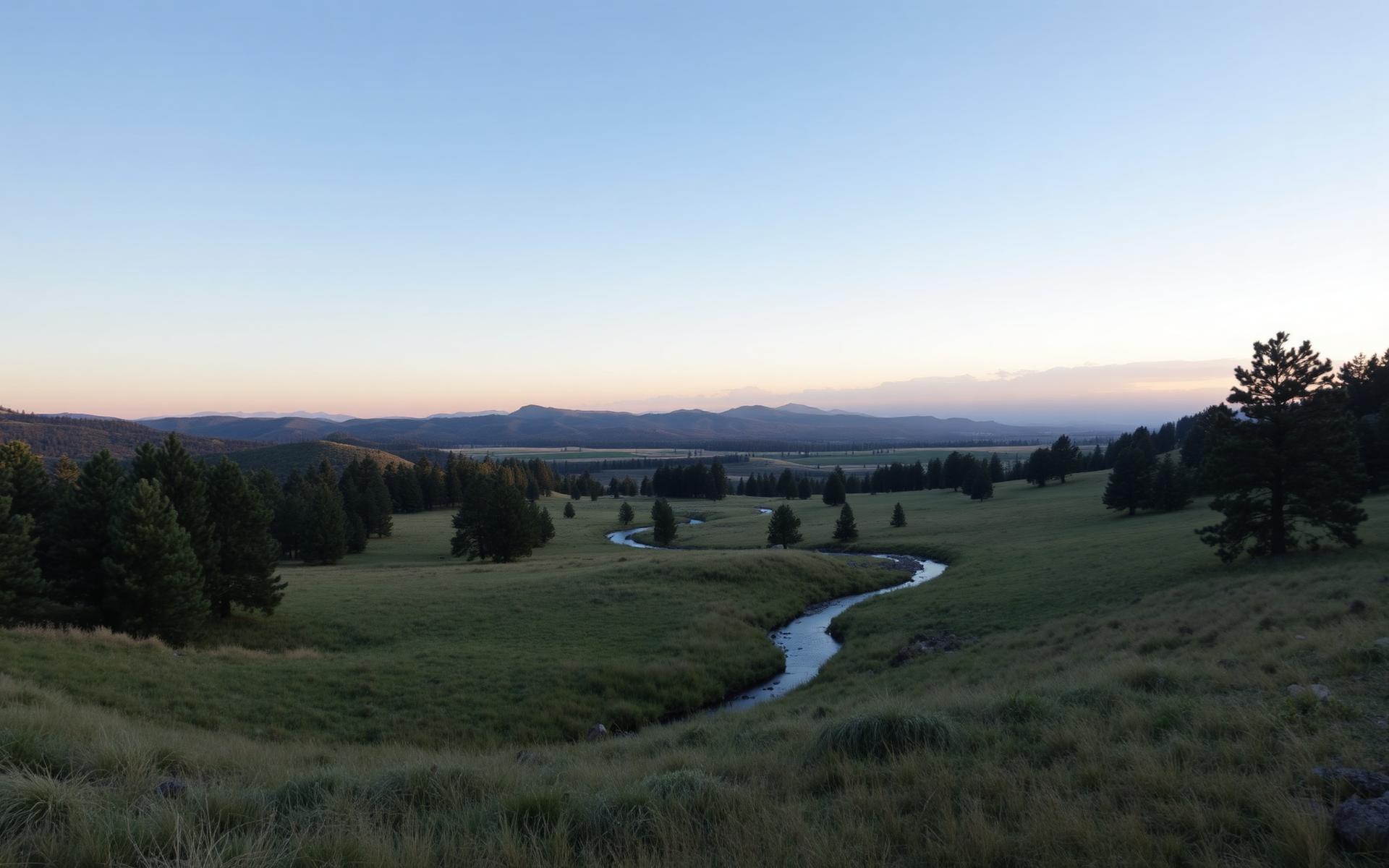
Generations of ranchers have argued that working land can produce food and improve the ground at the same time. That belief takes shape in grazing plans, water projects, and a long habit of paying attention to what the ground is telling you.
This certificate carries that method forward: observe first, manage second, measure always, and hand the knowledge to the next person who will need it.
What students study
Instruction combines classroom briefings with supervised field work across the ranch's pastures, ditches, and herds. Modules are in development and will be finalized with the program's clock-hour submission.
Grazing planning, stock density, recovery periods, and reading a pasture well enough to know when to move and when to wait.
Soil biology, infiltration, compaction, cover, and field testing. What actually builds topsoil on semi-arid Colorado ground.
Riparian function, ditch and headgate work, stock water systems, drought planning, and Colorado water basics for producers.
Fencing and infrastructure, herd health calendars, equipment care, record keeping, and the daily operating rhythm of a ranch.
Wildlife habitat, weed and fire management, easements, and working with agencies and neighbors across property lines.
Hay and forage, livestock handling, calving and marketing seasons, and hands-on work with the operations that run here.
Enterprise budgets, cost of production, lease structures, and the plain arithmetic that decides whether a ranch survives.
Communication, planning, crew supervision, and the professional conduct expected of someone trusted with land.
Work this prepares you for
- Ranch hand and assistant ranch manager
- Grazing and range technician
- Conservation district and land trust field staff
- Irrigation and stock water systems support
- Agricultural operations support on working landscapes
- 01Build and adjust a grazing plan for a working herd on semi-arid range.
- 02Assess soil cover, compaction, and infiltration in the field and interpret the results.
- 03Maintain and troubleshoot stock water and irrigation infrastructure.
- 04Monitor range condition over a season and document change with defensible records.
- 05Handle livestock safely using low-stress methods.
- 06Read an enterprise budget and explain how a management decision moves it.
- 07Work productively with conservation districts, agencies, and neighboring landowners.
 In Development
Curriculum is still being written
The framework above reflects the program as designed today. Details will keep changing as we finalize instructors, clock hours, and regulatory approvals. If you want to enroll, teach, or help build it, tell us now; early interest shapes the first cohort.