Fieldcraft Institute
Fieldcraft for people, place and purpose.
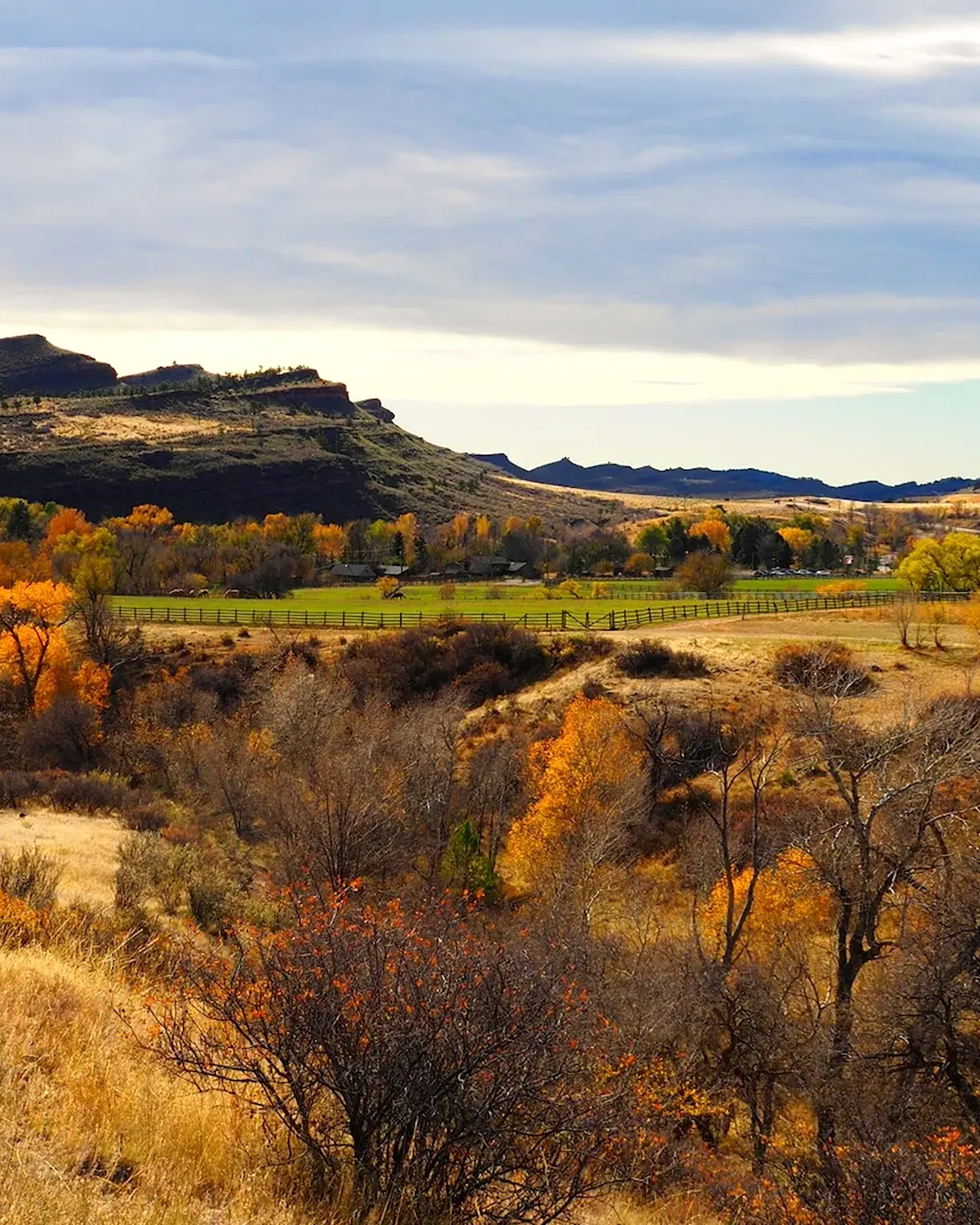
A field school teaching wilderness skill, awareness and stewardship on 960 acres west of Loveland, Colorado.
What is Fieldcraft?
An old word, held carefully, and broad enough to grow into.
At Heart-J Center, fieldcraft is the lifelong practice of learning to observe deeply, move intentionally, steward responsibly and lead confidently in wild places.
It integrates wilderness skills, ecological understanding, leadership, stewardship, sound judgment and direct experience on the land. More than outdoor skill alone, fieldcraft is the ability to understand a landscape, care for it, travel through it safely and help others do the same.
- Wilderness leadership
- Stewardship
- Resilience
- Primitive skills
- Survival
- Navigation
- Tracking
- Ecological literacy
- Conservation
- Sound judgment
- Teamwork
- Personal growth
A place where skill, attention and responsibility are learned together
Fieldcraft Institute is a flagship educational initiative of Heart-J Center on Sylvan Dale Legacy lands. It exists to teach people how to move through wild country with competence and care, and how to see it clearly enough to protect it.
Our teaching grows out of a decade of work already happening here: veteran and first responder programs, youth field education, wildfire mitigation, watershed restoration and habitat monitoring. The Institute gathers that practice into a structured field school with a coherent philosophy, real standards and instructors of genuine depth.
Courses are planned to begin in 2027. What you find here is a public preview of the curriculum, the skill paths and the founding faculty conversation now underway. Every course, present and future, belongs to the single discipline of fieldcraft.
Capability and stewardship are the same education, taught from two directions.
Most people never learn how to be genuinely comfortable and useful in wild country. Skills that were once common, such as reading weather, making fire, following sign, navigating without a screen, moving quietly, caring for a place while using it, have narrowed into hobbies or disappeared entirely.
Recovering those skills changes attention as much as safety. Someone who can track an elk through three days of weather notices what a drought is doing to a drainage. Someone who has built a shelter in a storm understands why a healthy forest matters. Competence produces care.
That is the argument the Institute is built on, and it is why stewardship is one of the six skill paths, taught with the same rigor as the rest.
One discipline, six directions of practice
Each path is one expression of fieldcraft. Future courses will expand within this same framework.
Survival
Stay safe. Stay capable.
Master the essential priorities, skills and decisions needed to remain safe and capable in uncertain wilderness conditions.
Tracking
Read what the ground remembers.
Learn to read tracks, sign, movement, behavior and the stories written across a landscape.
Awareness
Notice what most people pass by.
Develop the observation, attention and pattern recognition needed to notice what most people pass by.
Backcountry
Travel well beyond the trailhead.
Build practical competence for traveling, navigating, camping and making sound decisions beyond the trailhead.
Traditional Skills
Make useful things by hand.
Learn useful, hands-on skills using natural materials and carefully chosen tools.
Stewardship
Capability in service of place.
Put field capability to work in service of forests, watersheds, wildlife habitat and working lands.
Foundations, field intensives, advanced practicums
Participants advance by demonstrating skill in the field, not by enrollment alone. Each level carries its own expectations for skill, judgment and responsibility in the field.
- Level 1
Foundations
Accessible entry points focused on essential principles, fundamental skills and supervised practice. Most will have no prerequisites.
- Level 2
Field Intensives
Multi-day experiences that allow participants to apply skills under realistic conditions and receive direct coaching.
- Level 3
Advanced Practicums
Small-cohort field experiences requiring prior training, demonstrated competence or instructor approval.
A backcountry base, not a classroom
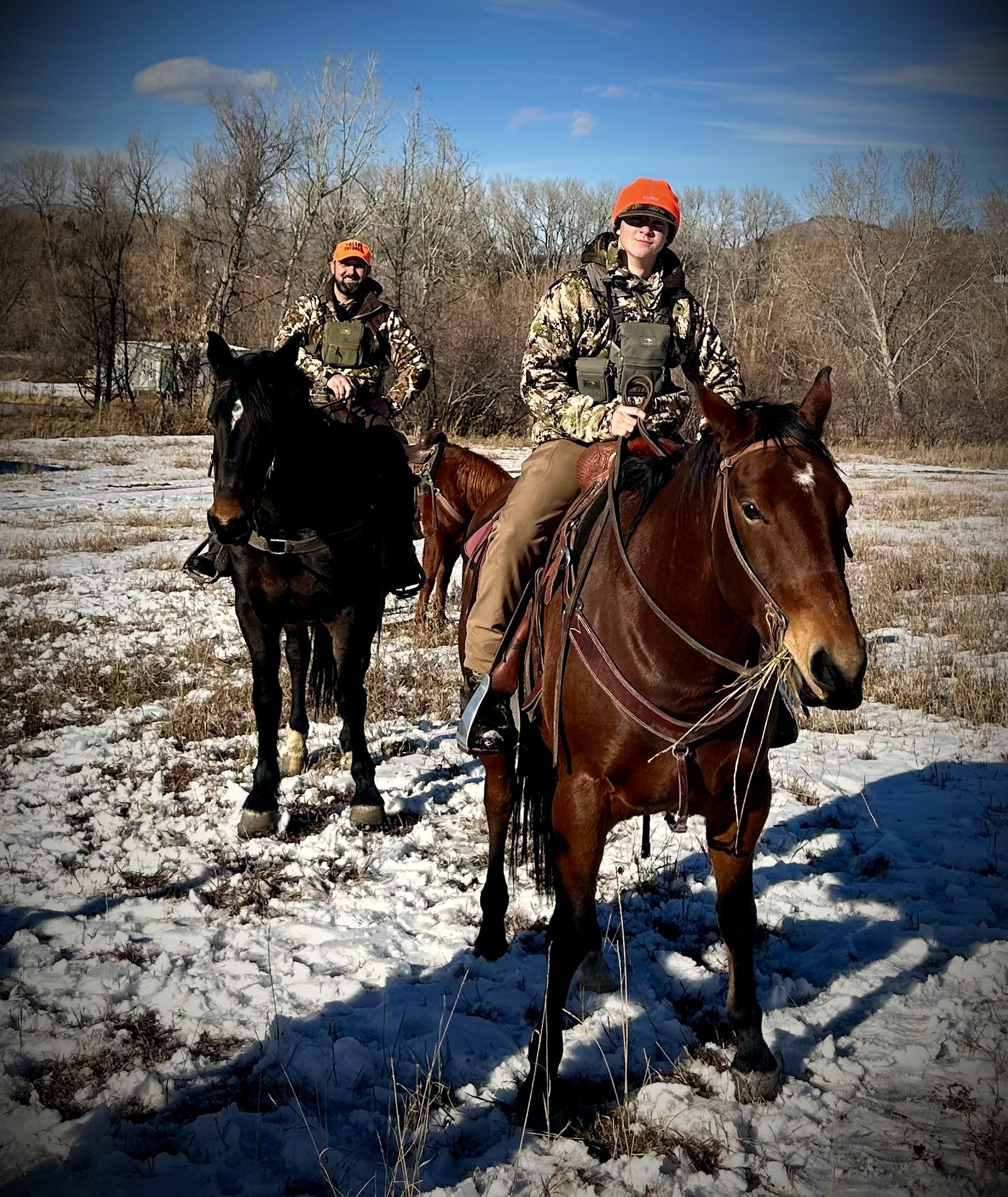
High in the Legacy lands, the historic Cow Camp is being restored as the Institute's field campus: a simple, remote base along Cedar Creek where multi-day courses can begin and end on foot or horseback, far from road noise and cell coverage.
Its restoration is part of the same effort that funds the Institute's founding curriculum.
Built for people who want real competence
No prior experience is required for Foundations courses. What is required is willingness to be uncomfortable, attentive and teachable.
- Adults seeking practical wilderness competence
- Outdoor professionals and educators
- Hunters, anglers and wildlife observers
- Veterans and first responders
- Land stewards and conservation volunteers
- Parents and older teens seeking shared challenges
- People preparing for more independent backcountry travel
- Returning students seeking advanced field practice
Rigorous without being performative
"We teach what we can stand behind, on land we are responsible for, with instructors who have actually done the work."
- Experience turns information into practical knowledge
- Skills are practiced under real field conditions
- Safety and judgment are inseparable from technique
- Knowledge of place matters
- Stewardship is part of capability
- Courses should be rigorous without becoming performative
- Participants progress through demonstrated practice rather than bravado
- Traditional knowledge must be presented accurately, respectfully and without unsupported cultural claims
Every course leaves the land better than it found it
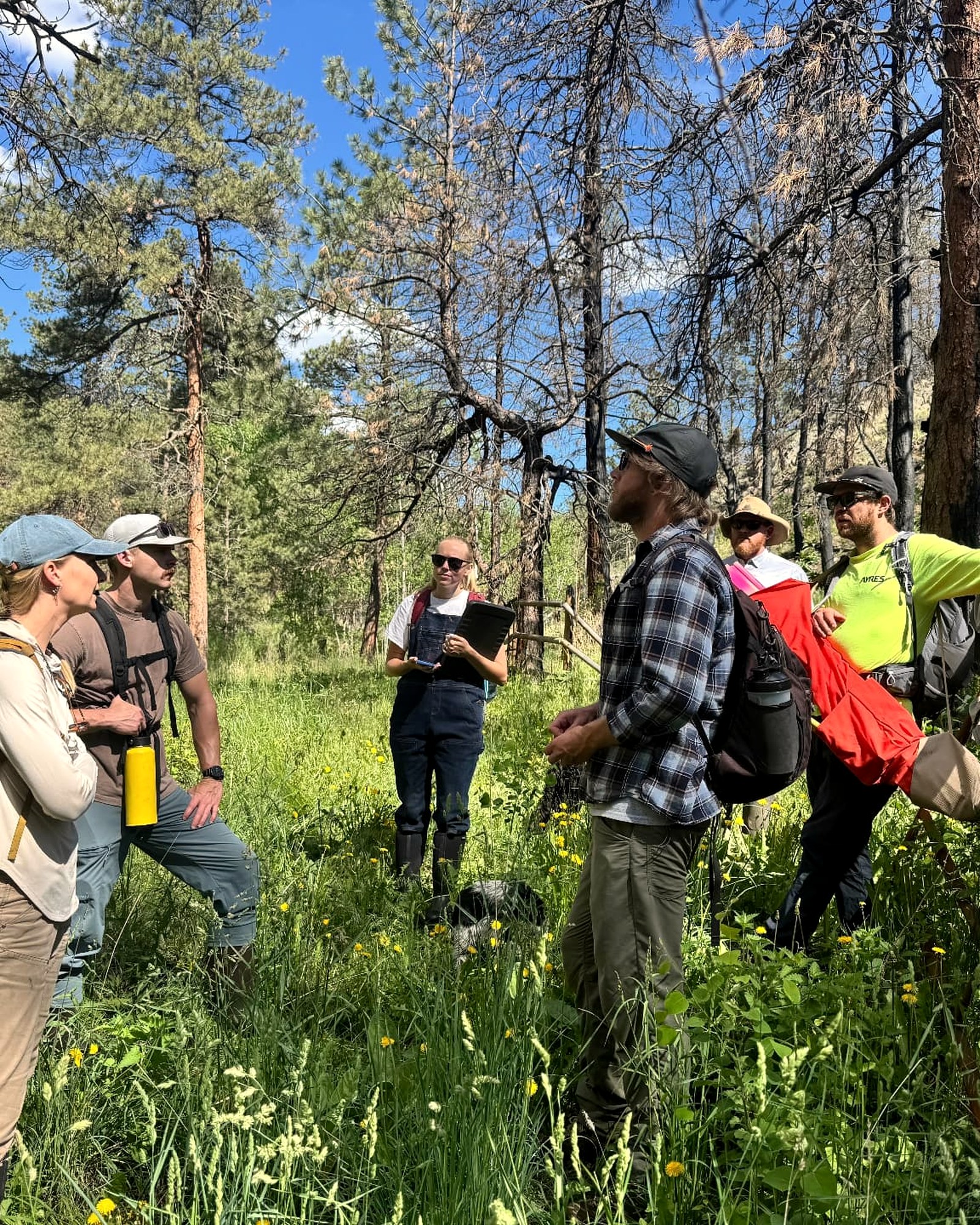
Institute participants work alongside Heart-J Center's ongoing wildfire mitigation, watershed restoration, wildlife habitat and trail projects. Skills are practiced on real work with real consequences, the same work that keeps this landscape healthy.
What we are building, and when
Founding Period
- Continue and evaluate the existing Survival & Tracking Intensive
- Convene potential founding instructors
- Define the Institute philosophy and standards
- Review the flagship foundational curriculum
- Identify initial signature courses
- Gather faculty photography, interviews and biographies
- Open the 2027 interest list
- Begin Cow Camp field-campus preparation
Pilot Period
Potential pilot offerings, not yet confirmed
- Winter Survival
- Tracking Foundations
- Fire, Shelter & Water
- An evening, seminar or online learning experience
Founding Calendar
Potential founding-year goals
- Backcountry Foundations offered more than once
- Four to six specialized intensives
- The Steward's Weekend
- Parent and Teen Survival
- A veterans-focused intensive
- An advanced field practicum
- Further development of the certificate pathway
All courses, dates and offerings described on this page are in development and subject to change. Nothing here should be read as a confirmed schedule or an offer of enrollment.
One of several ways we teach the same thing
Fieldcraft Institute stands alongside our other Heart-J Center initiatives. Each serves a different audience, and all are held together by experiential learning, stewardship, resilience, leadership and a deep connection to this land.
H.O.L.L.S.
Vocational education in horsemanship, land and livestock stewardship.
H.U.N.T. Path
Ethical hunting, wildlife literacy and conservation through participation.
Nature School
Early and school-age learning rooted in place, curiosity and time outdoors.
ELEVATE
Resilience and leadership programs for veterans, first responders and their families.
Join the 2027 interest list
Interest list members hear first about founding faculty, pilot experiences and the first course calendar. Joining does not reserve a seat.