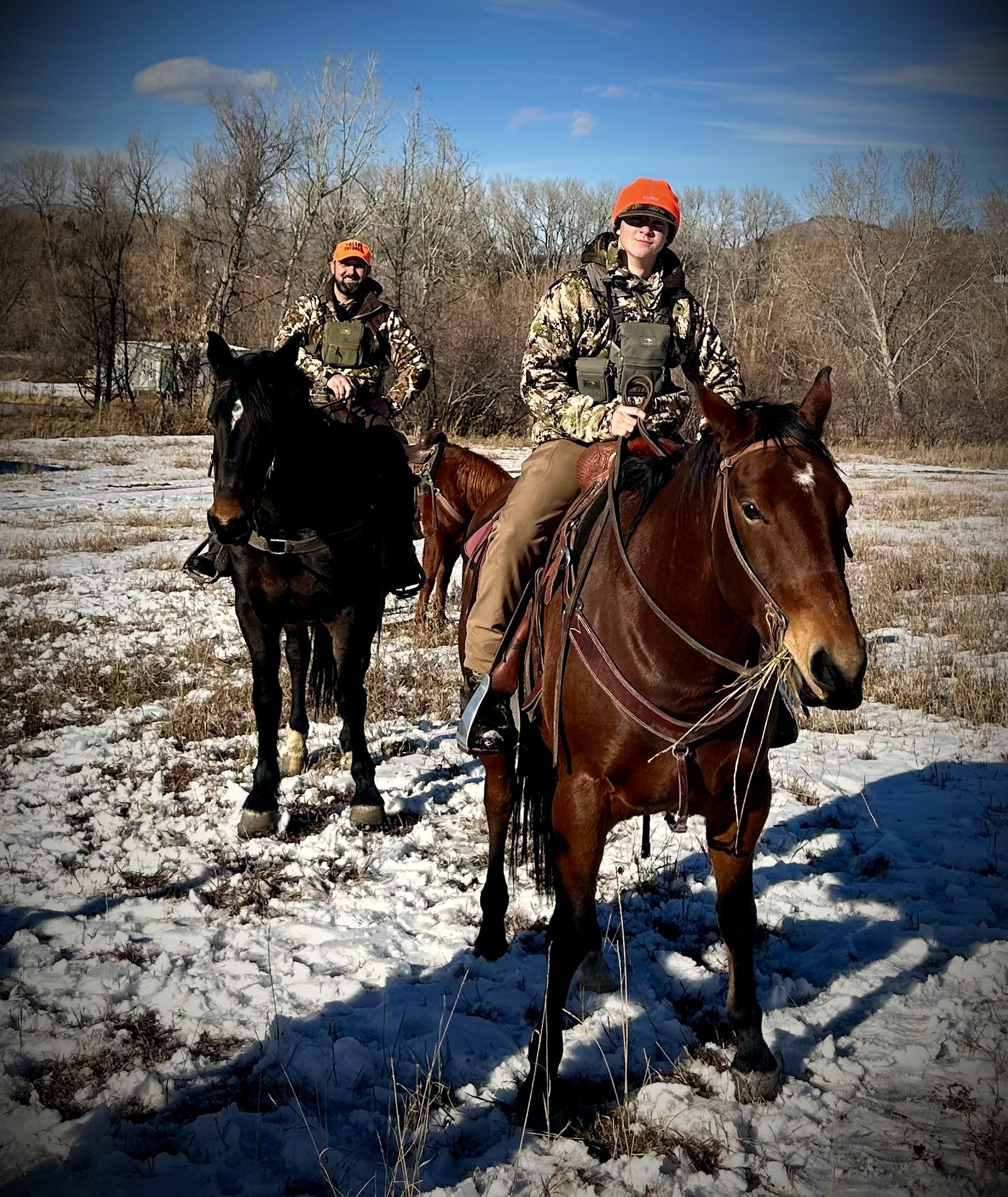
Riders moving through timber on Sylvan Dale Legacy lands
Fieldcraft Institute, a Heart-J Center initiative
Heart-J Center · Curriculum

Six skill paths, three levels, one landscape

Skill is proven in the field, not in the syllabus.

Teaching principles

What we hold ourselves to

  • Experience turns information into practical knowledge
  • Skills are practiced under real field conditions
  • Safety and judgment are inseparable from technique
  • Knowledge of place matters
  • Stewardship is part of capability
  • Courses should be rigorous without becoming performative
  • Participants progress through demonstrated practice rather than bravado
  • Traditional knowledge must be presented accurately, respectfully and without unsupported cultural claims
The paths

Each path is a way of paying attention

Path 01

Survival

Stay safe. Stay capable.

Master the essential priorities, skills and decisions needed to remain safe and capable in uncertain wilderness conditions.

Representative topics
  • Survival priorities
  • Shelter systems
  • Fire
  • Water
  • Emergency signaling
  • Field improvisation
  • Survival psychology
  • Decision-making under stress
Path 02

Tracking

Read what the ground remembers.

Learn to read tracks, sign, movement, behavior and the stories written across a landscape.

Representative topics
  • Track identification
  • Aging tracks and sign
  • Animal movement
  • Gait patterns
  • Wildlife behavior
  • Trailing
  • Disturbance patterns
  • Reading a landscape through evidence
Path 03

Awareness

Notice what most people pass by.

Develop the observation, attention and pattern recognition needed to notice what most people pass by.

Representative topics
  • Sensory awareness
  • Sit-spot practice
  • Bird language
  • Natural patterns
  • Wildlife presence
  • Movement through terrain
  • Landscape literacy
  • Attention and field observation
Path 04

Backcountry

Travel well beyond the trailhead.

Build practical competence for traveling, navigating, camping and making sound decisions beyond the trailhead.

Representative topics
  • Topographic maps
  • Compass work
  • Terrain association
  • Natural navigation
  • Route planning
  • Weather
  • Backcountry campcraft
  • Risk management
  • Emergency response
  • Lost-person protocols
Path 05

Traditional Skills

Make useful things by hand.

Learn useful, hands-on skills using natural materials and carefully chosen tools.

Representative topics
  • Friction fire
  • Cordage
  • Carving
  • Containers
  • Natural materials
  • Field repairs
  • Primitive tools
  • Bow making
  • Hide work
  • Responsible harvesting
Path 06

Stewardship

Capability in service of place.

Put field capability to work in service of forests, watersheds, wildlife habitat and working lands.

Representative topics
  • Fire ecology
  • Post-fire recovery
  • Trail work
  • Erosion control
  • Watershed health
  • Habitat restoration
  • Forest health
  • Saw skills
  • Land assessment
  • Service projects
Levels

Progression through demonstrated practice

Level 1

Foundations

Accessible entry points focused on essential principles, fundamental skills and supervised practice. Most will have no prerequisites.

Level 2

Field Intensives

Multi-day experiences that allow participants to apply skills under realistic conditions and receive direct coaching.

Level 3

Advanced Practicums

Small-cohort field experiences requiring prior training, demonstrated competence or instructor approval.

Under development

Curriculum concepts in the pipeline

These are concepts under active development for future seasons, not a schedule. Each will be offered only when the right instructor, standards and safety practices are in place.

Topics involving wild foods, ethnobotany, natural medicine, first aid, technical tool use or saw work will be offered only with appropriately qualified instructors, careful risk management and clear safety boundaries.

  • Wildlife Behavior Through Sign
  • Fire Ecology and Post-Fire Recovery
  • Wild Foods of the Colorado Front Range
  • Reading Weather and Water
  • Practical Ethnobotany
  • Leadership Under Field Conditions
  • Wilderness Risk Management
  • Instructor Development
  • Veterans Backcountry Leadership Intensive
  • Watershed Stewardship
  • Habitat Restoration Practicum
  • Trail Building and Erosion Control
  • Post-Fire Landscape Assessment
  • Introduction to Saw Skills
  • Natural Navigation
  • Off-Trail Route Finding
  • Backcountry Campcraft
  • Horse-Supported Backcountry Travel
  • Colorado Winter Tracking
  • Advanced Tracking and Trailing
  • Seasonal Wildlife Tracking
  • Wilderness Observation and Bird Language
  • Search, Sign and Lost-Person Tracking
  • Backcountry First Aid and Evacuation
  • Survival Psychology and Decision-Making
  • Five- or Seven-Day Advanced Field Practicum
  • Family Backcountry Skills
  • Parent and Teen Survival Weekend
  • Women's Backcountry Foundations
  • Educator Field Methods
  • Ethical Hunting and Field Care
  • Wildlife Identification and Regulations
  • Wilderness Risk Management for Groups
  • Friction Fire Intensive
  • Natural Cordage and Containers
  • Bow Making
  • Hide Tanning and Natural Materials
Support

The Institute is a Heart-J Center initiative

Philanthropic support builds the Institute from the ground up. Gifts are made to Heart-J Center through its existing giving structure.

  • Founding curriculum development
  • Instructor travel and residencies
  • Participant scholarships
  • Veteran and first-responder participation
  • Cow Camp field-campus development
  • Stewardship tools and equipment
  • Youth and family access

Fieldcraft Institute · A Heart-J Center initiative on Sylvan Dale Legacy lands