Caring for a living landscape.
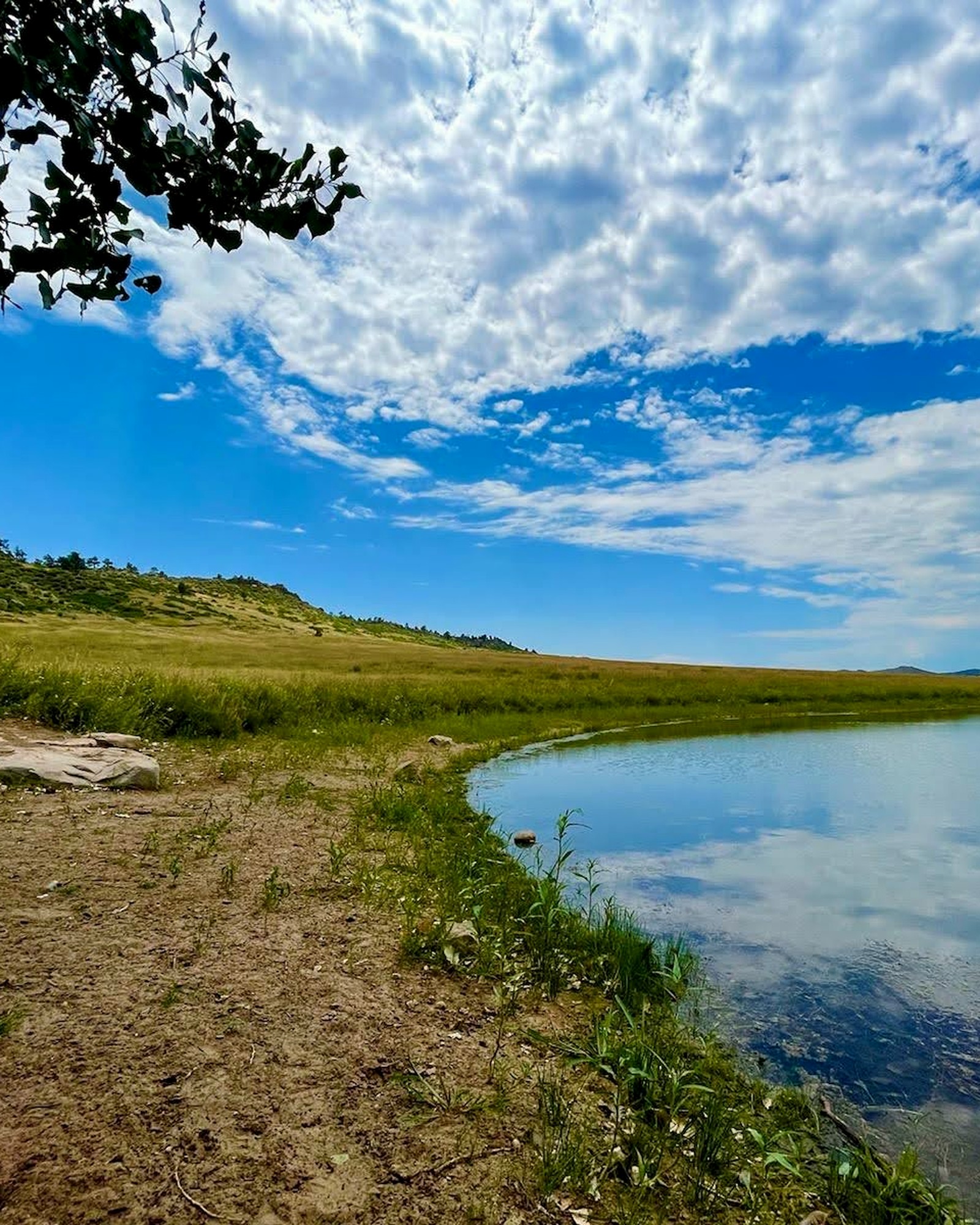
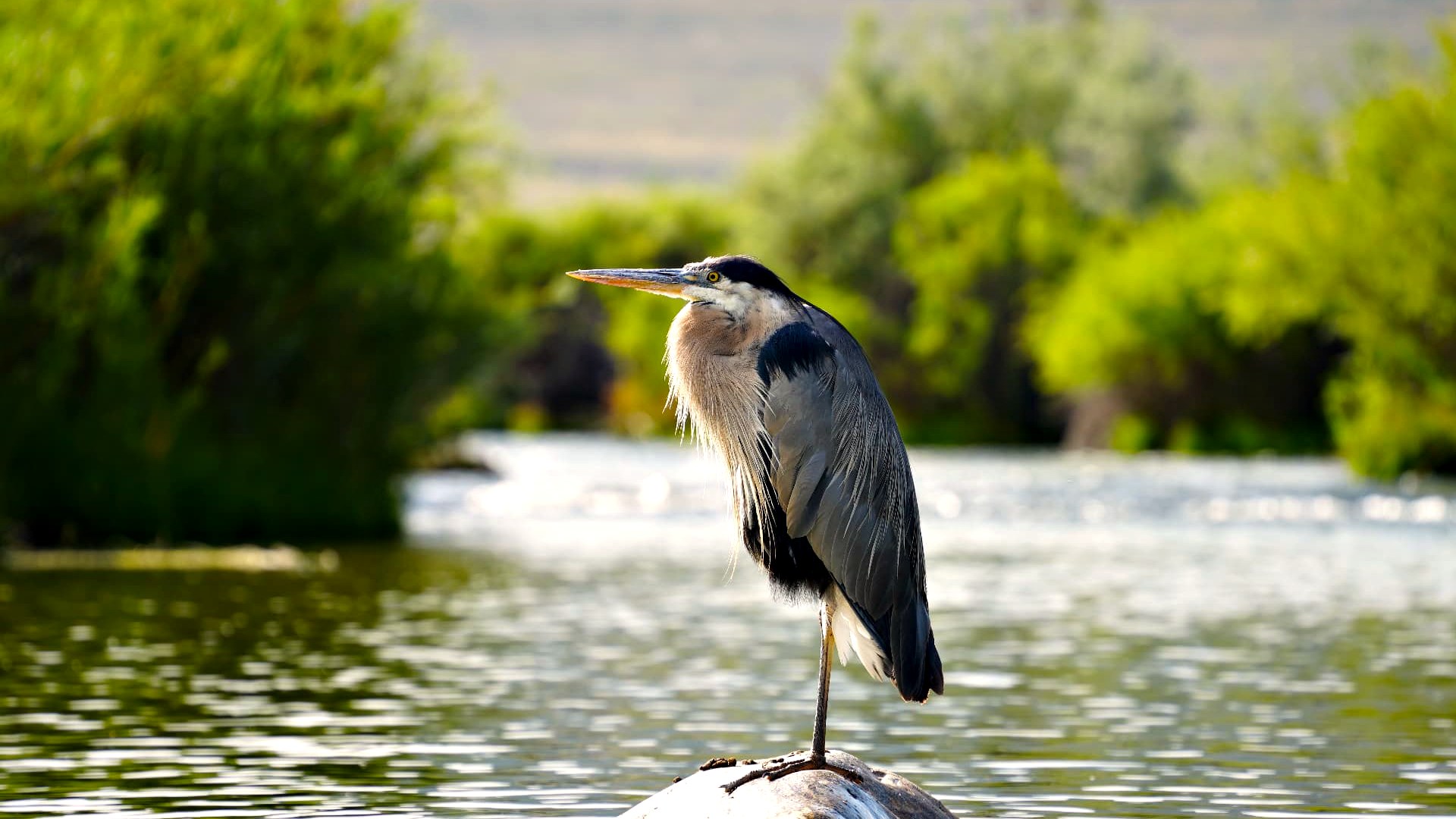
At the meeting of the Great Plains and Rocky Mountain foothills, stewardship means caring for forests, water, wildlife habitat, access, and the resilience of the land over time.
Stewardship Through Systems Thinking
Healthy landscapes do not exist in isolation, and neither do healthy communities.
At Heart-J Center, we manage ecology, education, equity, and economics together, not as separate efforts, because that is where the strongest, most resilient systems come from.
Every decision we make acknowledges the relationships between people, place, learning, resources, and the future.
That is what stewardship and sustainability look like in practice.
- North · Ecology
- Healthy land, water, wildlife, biodiversity, and resilient natural systems.
- East · Education
- Learning through experience, curiosity, science, mentorship, and stewardship.
- South · Economics
- Responsible management of financial, human, and material resources so stewardship can endure across generations.
- West · Equity
- Meaningful opportunity for diverse people and communities to access nature, contribute, learn, and belong.
Systems Thinking
Heart-J Center is intentionally designed as an interconnected system. Rather than viewing programs, landscapes, partnerships, volunteers, education, and conservation as separate efforts, we look for ways each can strengthen the others.
A child attending Nature School today may one day be mentored by a H.O.L.L.S. student. Veterans may help restore trails that future youth programs explore. Land Access Stewards protect the places where research, education, conservation, and healing all occur. The Stewardship Council draws wisdom from the people who know this landscape best.
Every relationship creates new opportunity for learning, service, and stewardship. The stronger the connections, the more resilient the whole system becomes.
Sustainability in Practice
Sustainability is not a separate initiative. It is the lens through which we make decisions.
Whether restoring wildlife habitat, investing in education, designing efficient operations, strengthening partnerships, reducing unnecessary waste, or cultivating future leaders, we work to build systems capable of sustaining both people and place for generations.
960 acres at the meeting of the Great Plains and the Rocky Mountains.
Elevation rises from the irrigated valley floor through grassland and ponderosa forest to rugged backcountry ridges. Water, wildlife, wildfire, grazing, and public access all move through the same working landscape.
Parcel boundaries and waterways adapted from the 2022 Sylvan Dale Ranch land conservation map. Easements held by Larimer County and Colorado Open Lands.
Experiential Education · Conservation · Community Resilience
Hover or tap a marker to learn what happens there. From the backcountry ridges down to the valley floor, every acre carries a piece of the mission.
Wildlife Guzzlers
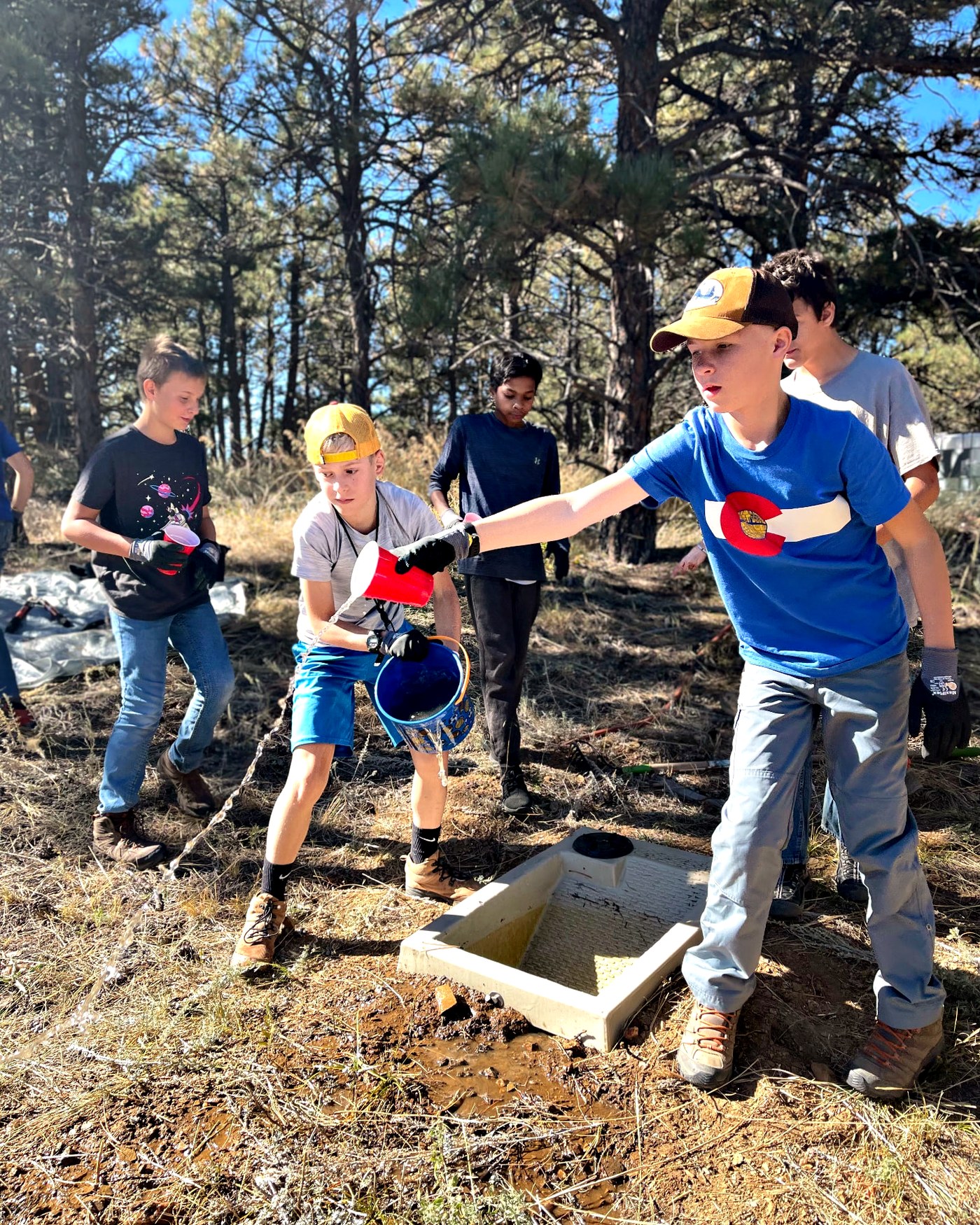
In a dry high-country year, water is the whole story. Our wildlife guzzlers collect precipitation and snowmelt and hold it through the hottest weeks of summer for the animals that live and migrate through our land.
Motion-triggered trail cameras at each guzzler have captured black bears, bull elk, mule deer, wild turkeys, and mountain lions: quiet proof that these small, well-placed pieces of infrastructure are doing exactly what they're built to do.
Wildlife Comes to Water
The wildlife guzzlers scattered throughout Heart-J Center's protected landscape quietly support countless animals throughout the year. Our trail cameras provide a rare glimpse into the daily lives of the wildlife that depend on these water sources and the healthy ecosystems they represent.
These cameras are a stewardship tool. The footage they gather helps us monitor wildlife activity, understand how animals use this habitat across the seasons, celebrate the biodiversity of the foothills, and make better long-term decisions about the care of these protected lands.
Black bears return again and again to the same water source through the heat of late summer.
Watch on YouTubeA bachelor group moves through timber in velvet, weeks before the rut reshapes the herd.
Watch on YouTubeA quiet predator passes the guzzler and is announced to the whole forest by a single jay.
Watch on YouTubeRepeat visits at one water source show how quickly wildlife learns a reliable place to drink.
Watch on YouTubeA year after wildfire, the land and its wildlife continue the long work of recovery around a vital water source.
Watch on YouTubeFootage from a fire-affected ridge reveals how animals navigate changed terrain and returning habitat.
Watch on YouTubeWhy Wildlife Guzzlers Matter
Water is the limiting resource
Across Colorado's foothills and backcountry, reliable water, not forage, is often what decides where wildlife can live through a dry summer.
One guzzler serves many species
A well-maintained guzzler supports birds, mammals, reptiles, amphibians, pollinators, and the smaller creatures that rarely get counted.
Monitoring without disturbance
Motion-triggered cameras let us track activity, habitat use, and seasonal patterns while leaving the animals entirely undisturbed.
Stewarding Wildlife, One Water Source at a Time
Through habitat restoration, wildlife monitoring, conservation partnerships, and responsible stewardship, Heart-J Center is committed to protecting the diverse species that call these lands home.
Wildlife Footage Acknowledgement
Some of the trail camera footage featured here has been generously shared by David Neils, an independent citizen scientist and trail-camera practitioner. David is not an employee or affiliate of Heart-J Center or Sylvan Dale Legacy. Some of his footage was captured on Heart-J Center land; we are grateful for the opportunity to share it.
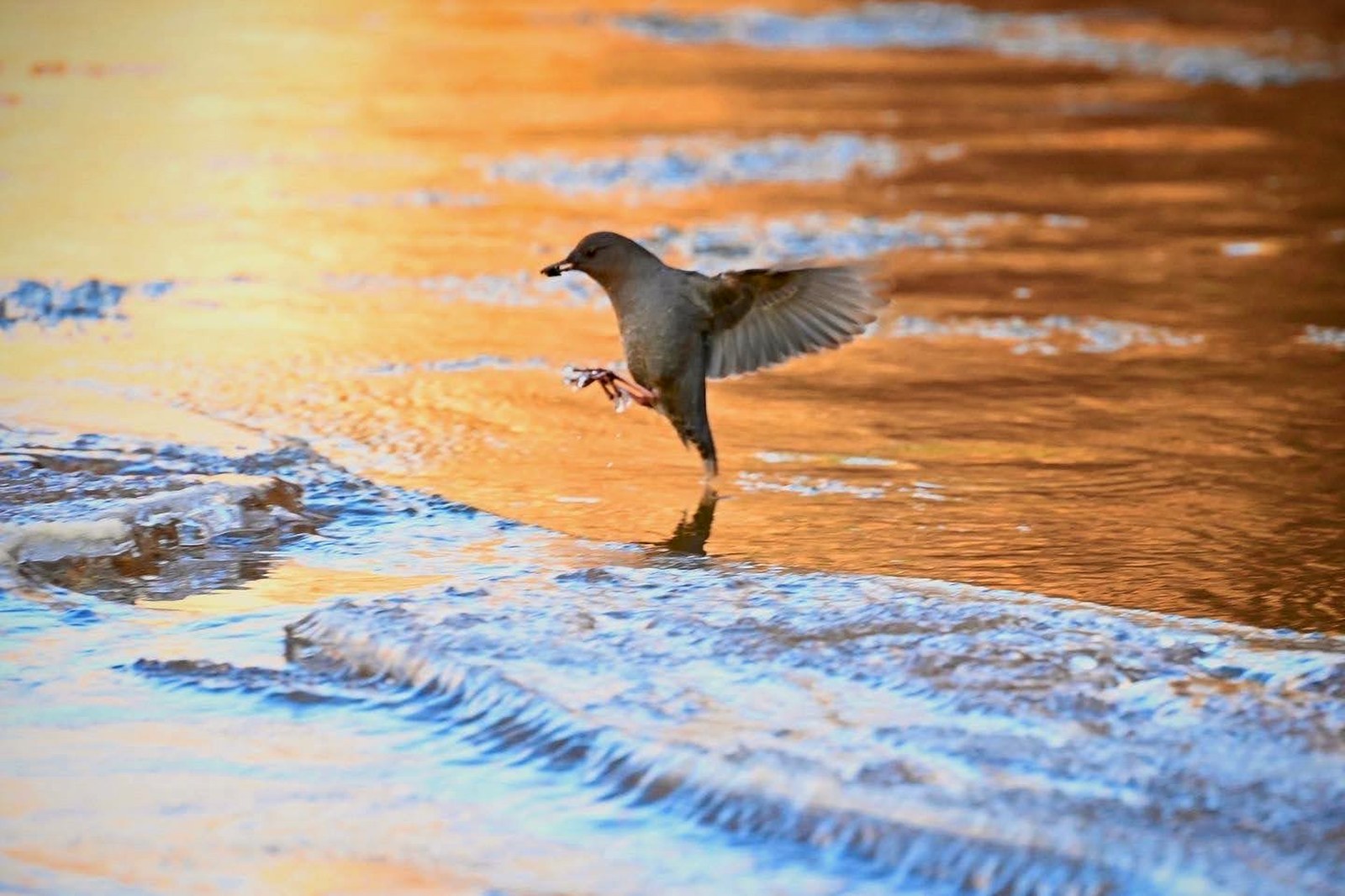
Learn more about David Neils and Wild Nature MediaHealthy water shows up first in the small things
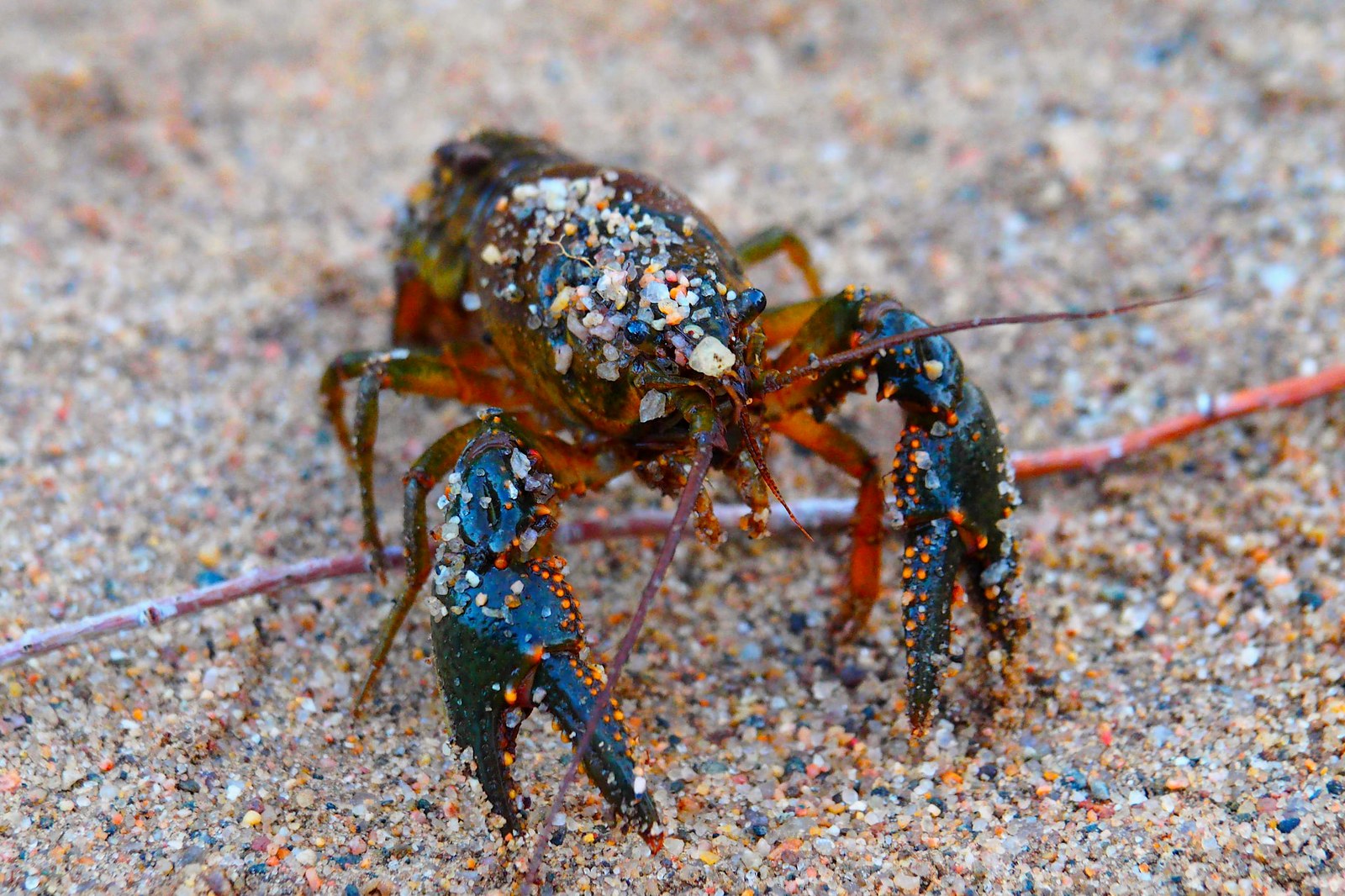
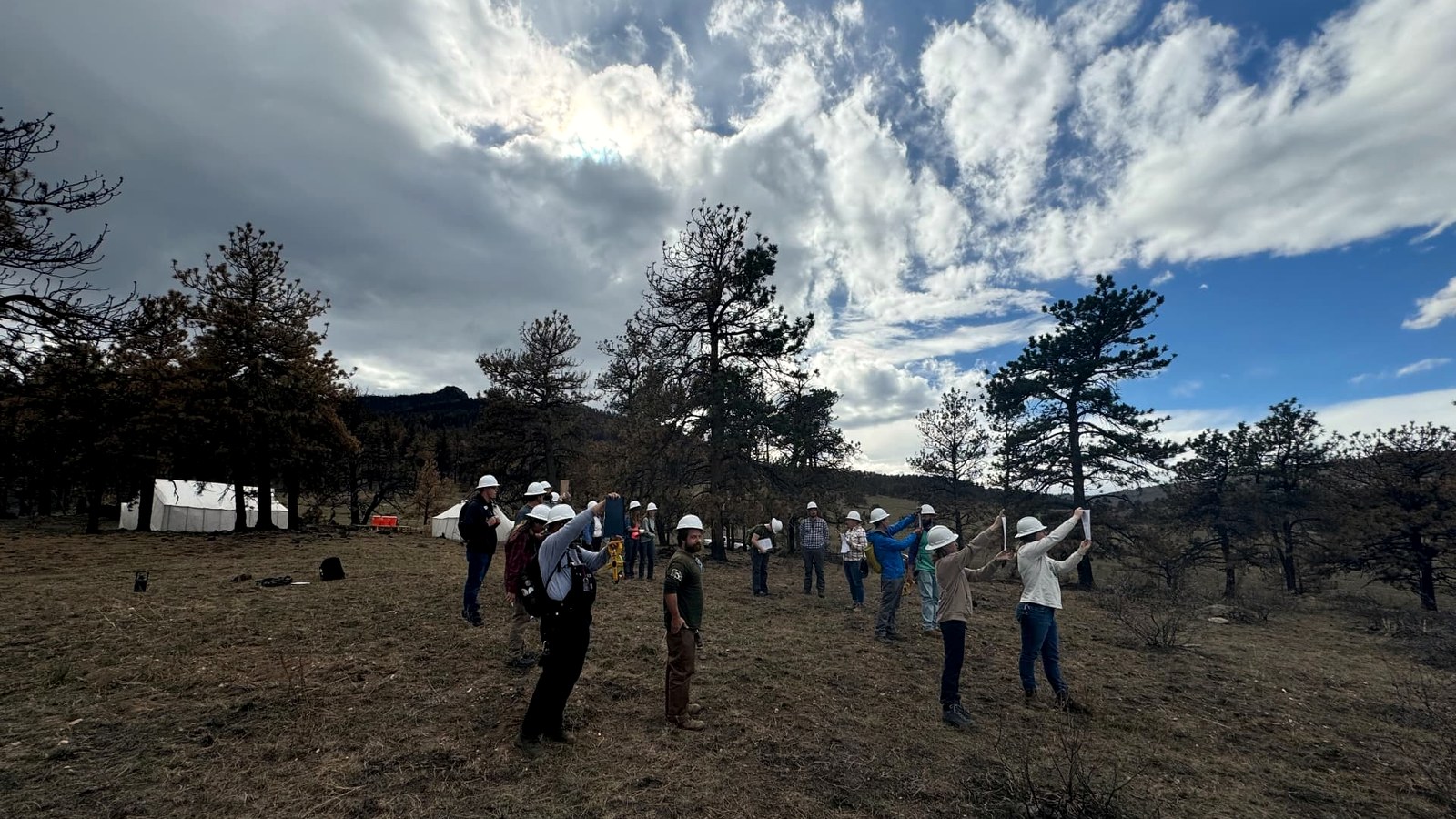
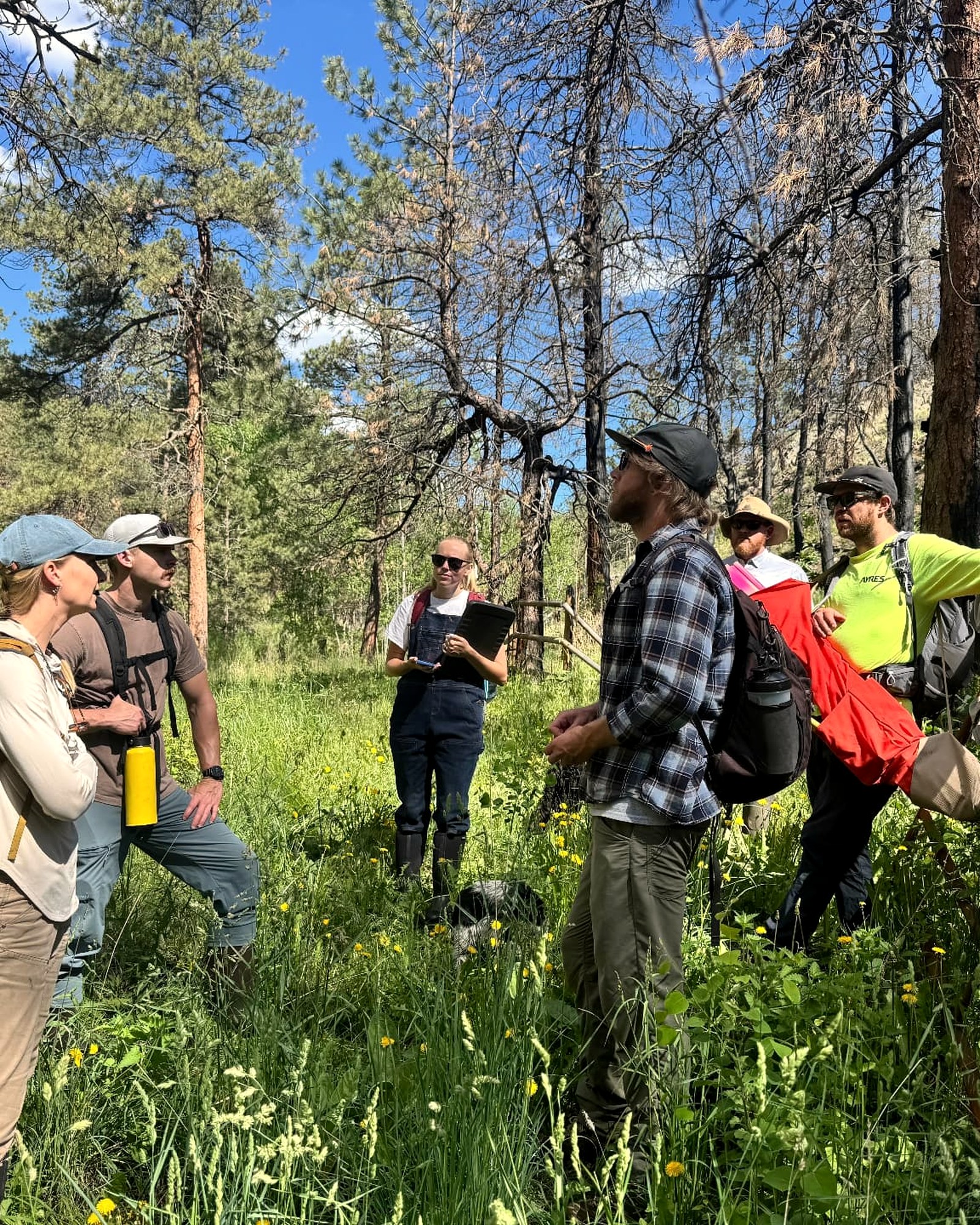
Crews training in the Alexander Mountain Fire burn scar, learning to read fuel, slope, and regrowth before a single saw runs.
Backcountry Sawyers
The Backcountry Sawyers initiative pairs certified sawyers with our string of draft and pack horses to move dead-fall and standing hazard fuel out of places machines simply cannot reach.
Every mile we clear is a mile safer for the next fire season, and a template for the grant-funded work we're building to take on-horseback across Colorado.
Strategic Grazing
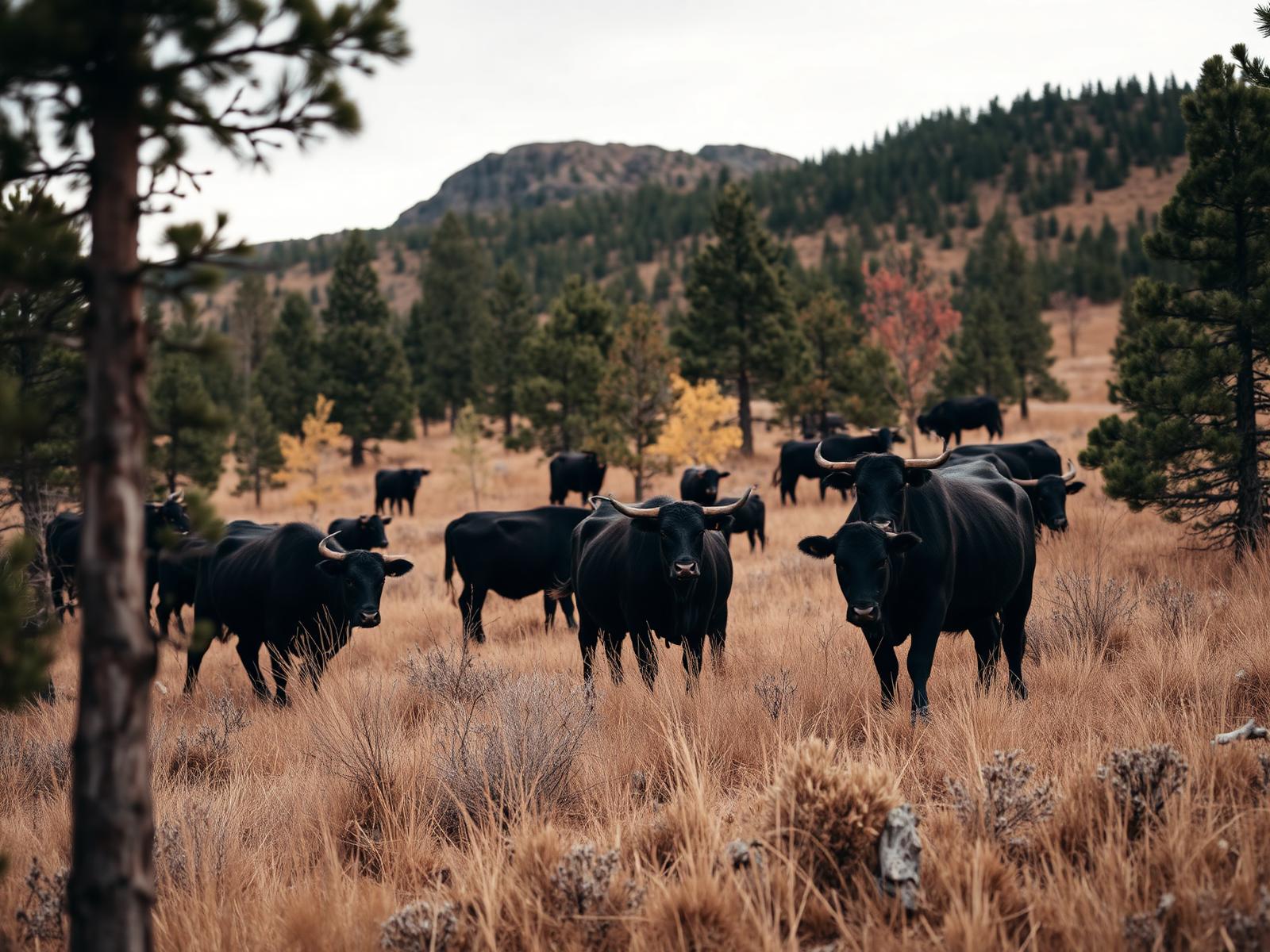
Cattle are part of the stewardship toolkit across the backcountry. At any given time, roughly 15 to 30 cattle graze nonprofit conservation lands and connected U.S. Forest Service ground where grazing is authorized, helping manage grasses and other fine fuels across a large and rugged landscape.
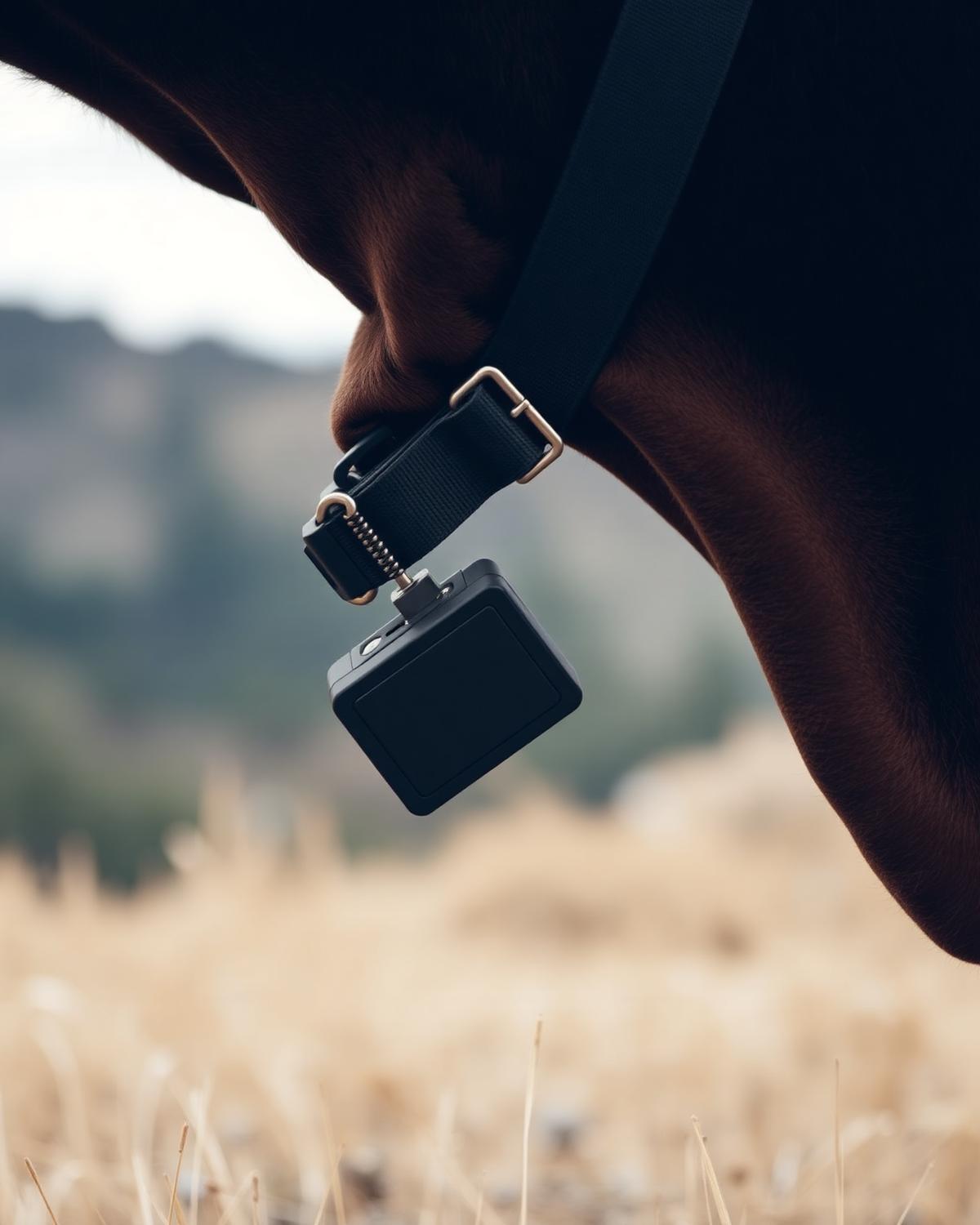
Radio collars add another layer of information. By showing where cattle move and spend time, they help land managers make more intentional decisions about where grazing can contribute to vegetation management and wildfire resilience. Observe, understand, adjust.
The work can extend beyond our own boundaries. Where neighboring landowners are interested, cattle may graze adjoining ground as well, reducing fine fuels across a broader landscape rather than stopping at a fence line.
This is working-land stewardship: traditional grazing combined with modern information to care for the landscape more deliberately.
- Cattle in the backcountry
- 15 to 30
- Cattle in the backcountry
- Radio collars
- Radio Collars
- Informing grazing decisions
- Across boundaries
- Across Boundaries
- Conservation, public, and neighboring lands
Watershed Protection
In partnership with the Big Thompson Watershed Coalition, our crews are restoring roughly 0.56 miles of Cedar Creek by installing log structures and post-assisted log jams (PALS) to stabilize banks, rebuild floodplain, and protect against post-Alexander Mountain Fire high flows.
Active build window: May 2026. Monitoring, water-quality sampling, and structure tuning continues through 2029.
Protected Land, Lasting Stewardship
Conservation easements. Ongoing stewardship.
Most of the 960 acres are protected by conservation easements held by Larimer County and Colorado Open Lands. The easement holders enforce those protections. The landowners remain responsible for the day-to-day stewardship.
These easements ensure that the land's natural character, wildlife habitat, scenic values, and ecological integrity remain protected for future generations while continuing to support carefully managed education, stewardship, research, and nature-based experiences.
Representatives from Larimer County and Colorado Open Lands visit the property regularly to monitor these conservation values and ensure the land continues to be stewarded according to the terms of the easements.
Colorado Open Lands
“We don't simply use this landscape. We steward it for future generations.”
The Legacy of Sylvan Dale
Every landscape has a history. Few tell a story this deep.
Long before this became a ranch, a classroom, or a place of healing, these foothills were shaped by ancient seas, rising mountains, flowing water, wildlife migrations, Indigenous peoples, working families, conservation visionaries, floods, wildfire, and generations of stewardship.
Today, every trail, meadow, canyon, and forest carries those stories forward. Some are visible. Many remain waiting to be discovered.