Prepare for Your Visit
A little preparation goes a long way. Weather, packing guidance, safety, waivers, directions, and resources for your time at Heart-J Center.
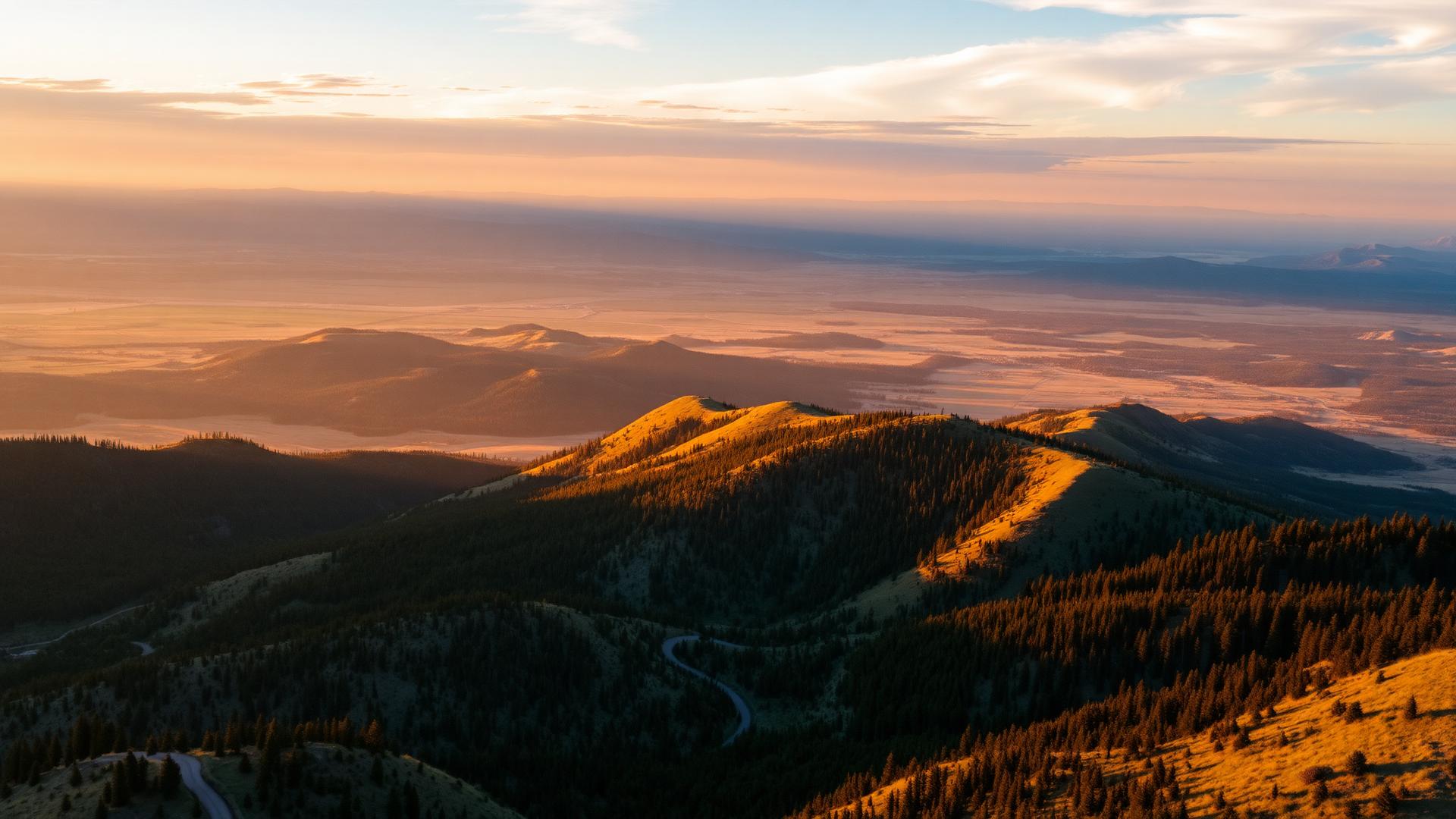
Weather changes fast in the foothills
Heart-J Center sits where the plains meet the mountains. Wind, temperature, and storms here can look nothing like the forecast for Loveland or Fort Collins ten miles east. Plan for a range of conditions in a single day.
Check conditions again the morning of your visit.
- National Weather Service, Loveland FoothillsPoint forecast for the Heart-J Center coordinates. The most reliable place to start.
- NWS Radar, Northern ColoradoLive radar for tracking afternoon storms moving off the Front Range.
- Weather Underground, LovelandNeighborhood stations often read closer to canyon conditions than city forecasts.
- Colorado Air Quality and SmokeCheck during wildfire season or when haze is visible along the foothills.
- CDOT Road ConditionsWinter storms and canyon closures can affect the drive in.
What to bring
- Refillable water bottle
- Closed-toe footwear for uneven terrain
- Sun protection and sunglasses
- Weather-appropriate layers
- Rain shell
- Daypack
- Personal medications
- Snacks or lunch when your program asks for them
- Any program-specific equipment listed in your pre-trip email
Some programs provide their own packing list. Those instructions take precedence over this one.
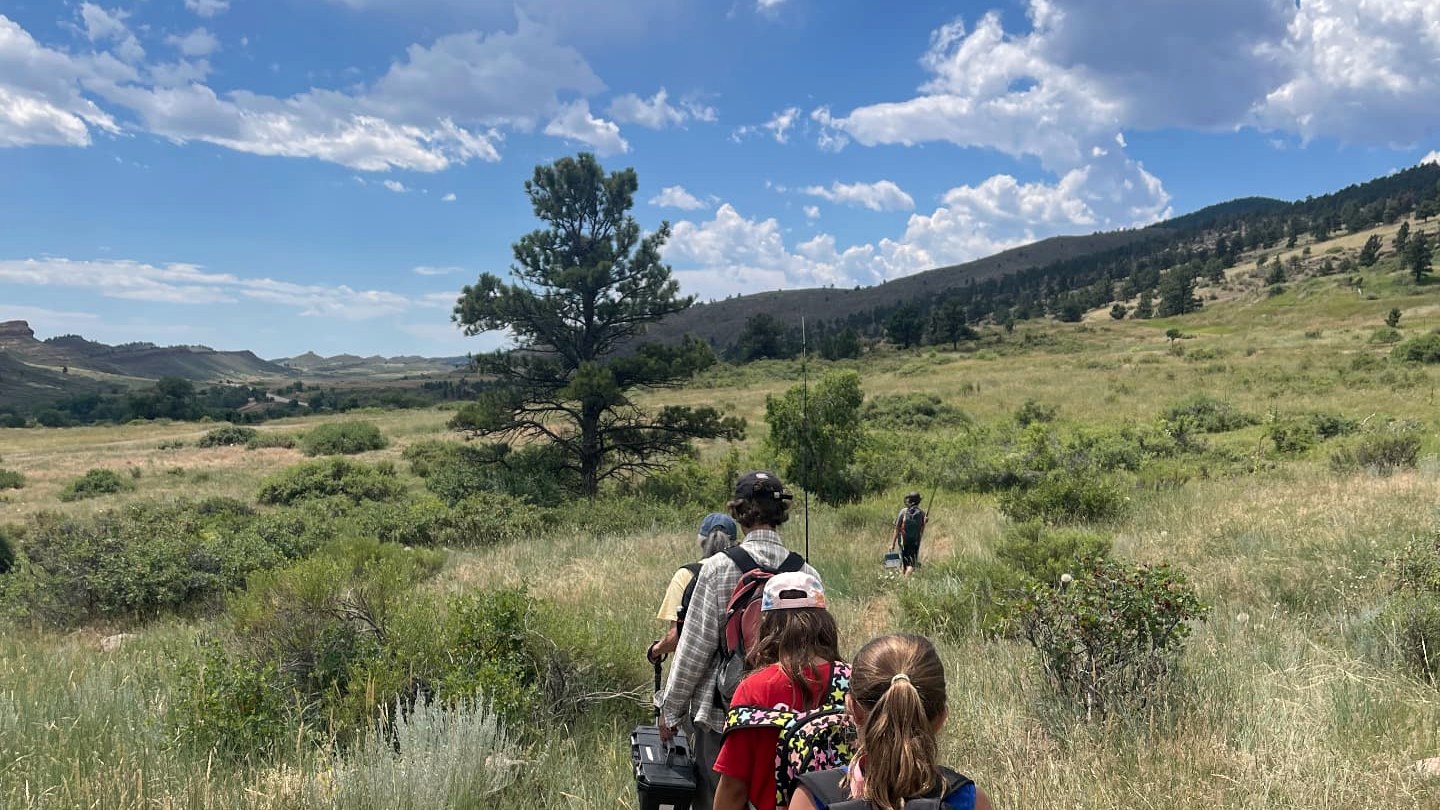
Four seasons, four different places
Spring
Temperatures swing widely and the wind picks up by afternoon. Trails hold mud well into May. Bring layers and waterproof footwear.
Summer
Hot mornings, intense high-altitude sun, and thunderstorms that build after noon. Drink more than you think you need, watch the sky, and give rattlesnakes room.
Fall
Cold mornings, warm afternoons, cool evenings, and weather that can turn in an hour. Layer up and plan for earlier darkness.
Winter
Cold, snow, and ice on shaded ground. Insulated layers, gloves, a hat, winter boots, and traction devices make the day comfortable.
Sharing the landscape
This is working foothills habitat, and the animals were here first. Encounters are usually brief and memorable rather than dangerous. Pay attention, keep your distance, and let staff know what you see.
Observe wildlife from a distance. Never feed or approach wild animals.
Black bears
Most active spring through fall. Keep food packed away and let staff know about any sighting.
Mountain lions
Present but rarely seen. Stay with your group and keep children close at dawn and dusk.
Rattlesnakes
Common on warm rocky slopes in summer. Watch where you place hands and feet, and step around, not over, rocks and logs.
Elk and deer
Give them a wide berth, especially during the fall rut and spring calving.
Birds and small mammals
Bring binoculars. Herons, dippers, and raptors work the river corridor year round.
Horses, livestock, and ranch operations
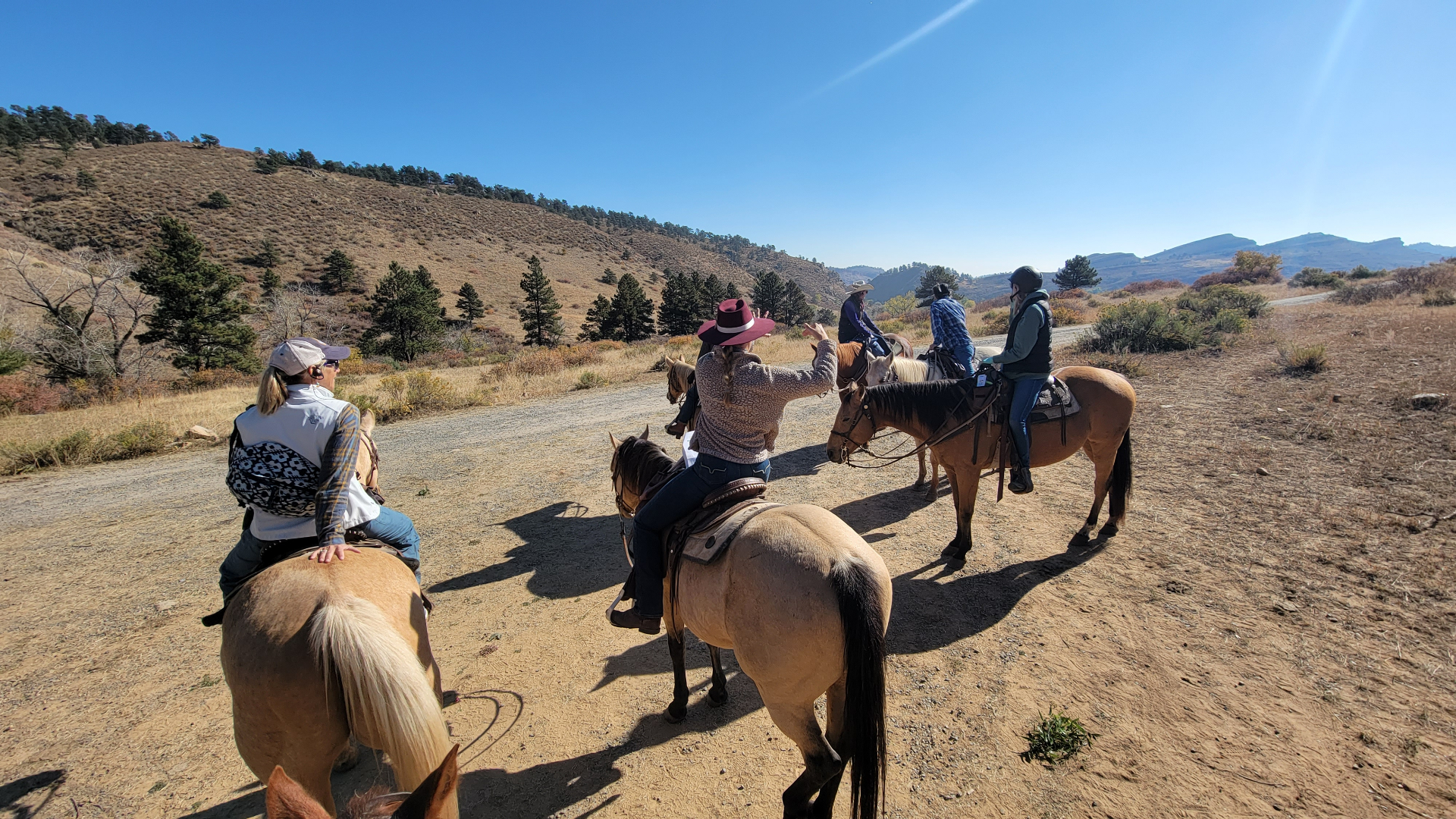
Heart-J Center shares ground with a working ranch. You may pass horses, cattle, gates, hay equipment, and irrigation in the course of a normal day.
- Do not approach or feed horses unless invited by staff.
- Follow staff instructions around livestock.
- Leave gates as directed.
- Stay on designated routes when instructed.
- Expect uneven natural terrain.
The sky is part of the program
Many experiences run into the evening. Bring a headlamp when instructed, add a layer before sunset, and slow down on uneven ground once the light goes. Then look up. The foothills stay dark enough that the Milky Way shows on clear summer nights.
- Stellarium WebSet the date and time and see exactly what will be overhead.
- Sky and Telescope, This Week's SkyUpdated weekly. Planets, the Moon, and what is worth looking for.
- Time and Date, Sun and Moon for LovelandSunset, twilight, and moon phase for the night of your visit.
- American Meteor Society CalendarMeteor shower dates and peak viewing hours.
Know the place before you arrive
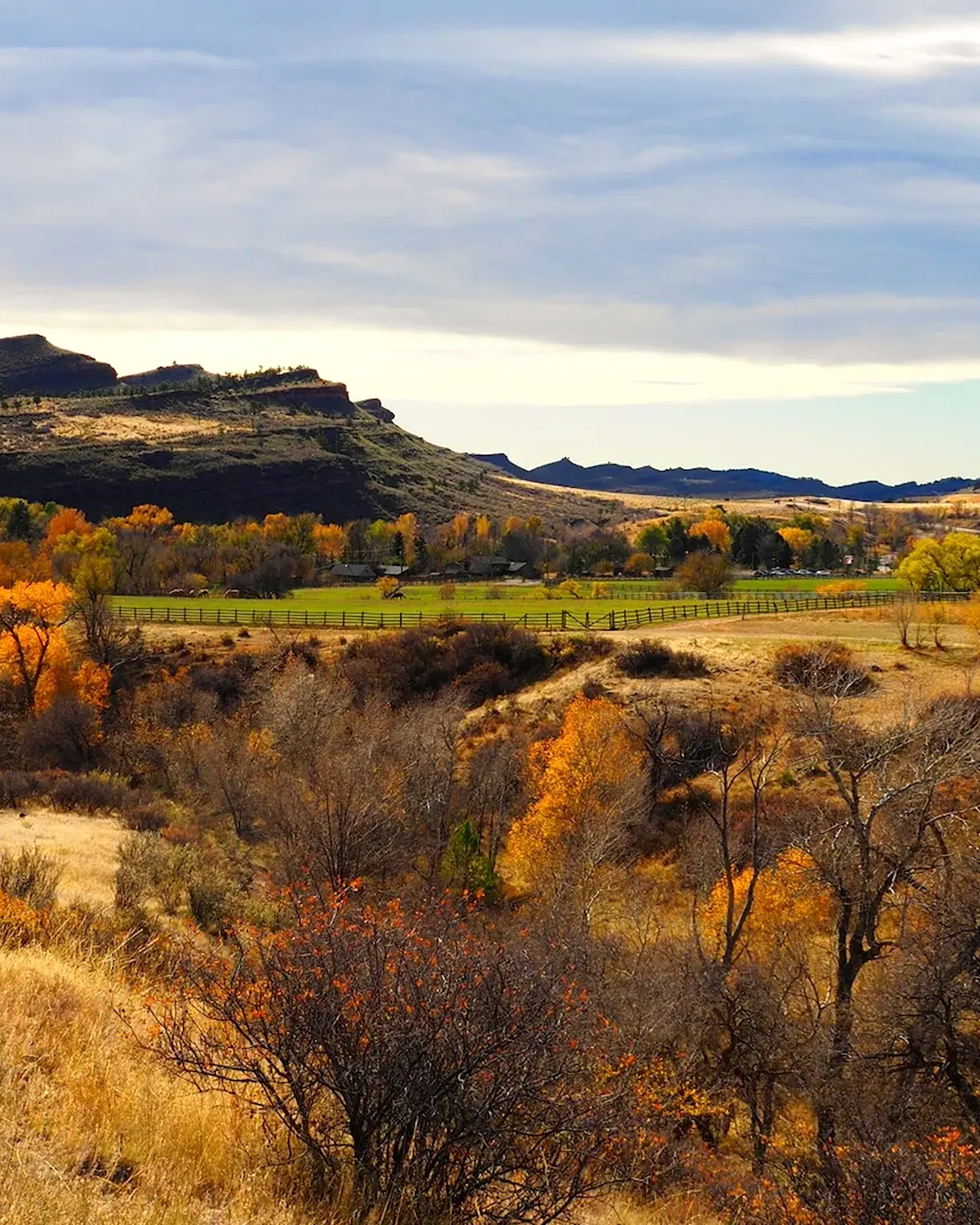
The valley you walk into carries a much longer story: uplifted rock, a river that rebuilt itself after the 2013 flood, fire, elk, ranching families, and the conservation work that keeps it whole.
Explore the Living LandscapeWaivers and forms
Participant Waiver
Required once per participant per season for most Heart-J Center experiences. Minors need a parent or guardian signature.
Request Your WaiverProgram-Specific Forms
Medical, emergency contact, and equipment forms are sent directly by program staff when they apply to your experience.
Directions and arrival
Heart-J Center programs run at several locations across the Sylvan Dale landscape, from the main ranch to Big Valley and backcountry stewardship sites.
Your program confirmation identifies your specific meeting location. Follow the arrival instructions provided for your experience.
Plan to arrive fifteen minutes early. Cell service is limited in the canyons, so download directions before you leave. Backcountry sites are not open to visitors without program instructions.
Questions before you come?
Tell us about accessibility needs, dietary considerations, mobility questions, or anything else that would make your visit work better. We would rather hear from you ahead of time.