Cow Camp
Where the course actually begins.
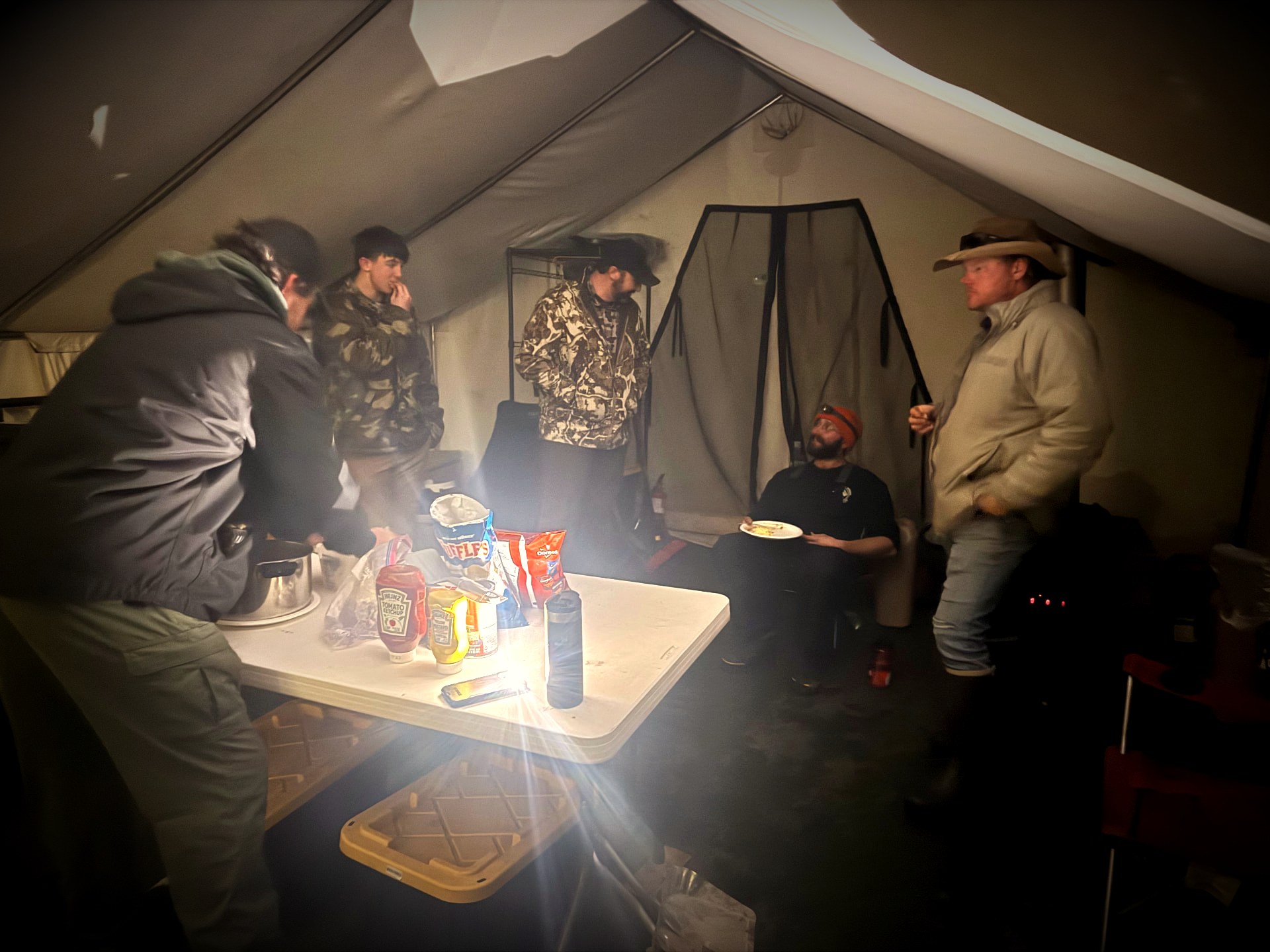
A remote field campus along Cedar Creek, restored as the base for the Institute's multi-day courses.
A century of use, carried forward
Cow Camp was built for people working cattle in country too rough to ride out of in a day. It has always been a place where capability mattered more than comfort.
Heart-J Center is restoring it with that character intact. The rebuild adds durability and safety, not amenities: sound structures, safe water, a proper fire ring, corrals, and a base that can hold a small cohort through weather.
For the Institute, that matters. Skills learned within sight of a parking lot are not the same skills. Courses staged from Cow Camp ask participants to travel in, settle in, and stay long enough for the landscape to become familiar.
Remote by design
Reached on foot, by horse or by rough two-track. No cell coverage, no road noise, no easy exit. Those are the conditions that make field learning real.
Simple, durable shelter
Restored historic structures and canvas wall tents, sized for small cohorts rather than crowds.
On living water
Cedar Creek runs through the camp, providing a working classroom for watershed, riparian and wildlife study.
Working ground
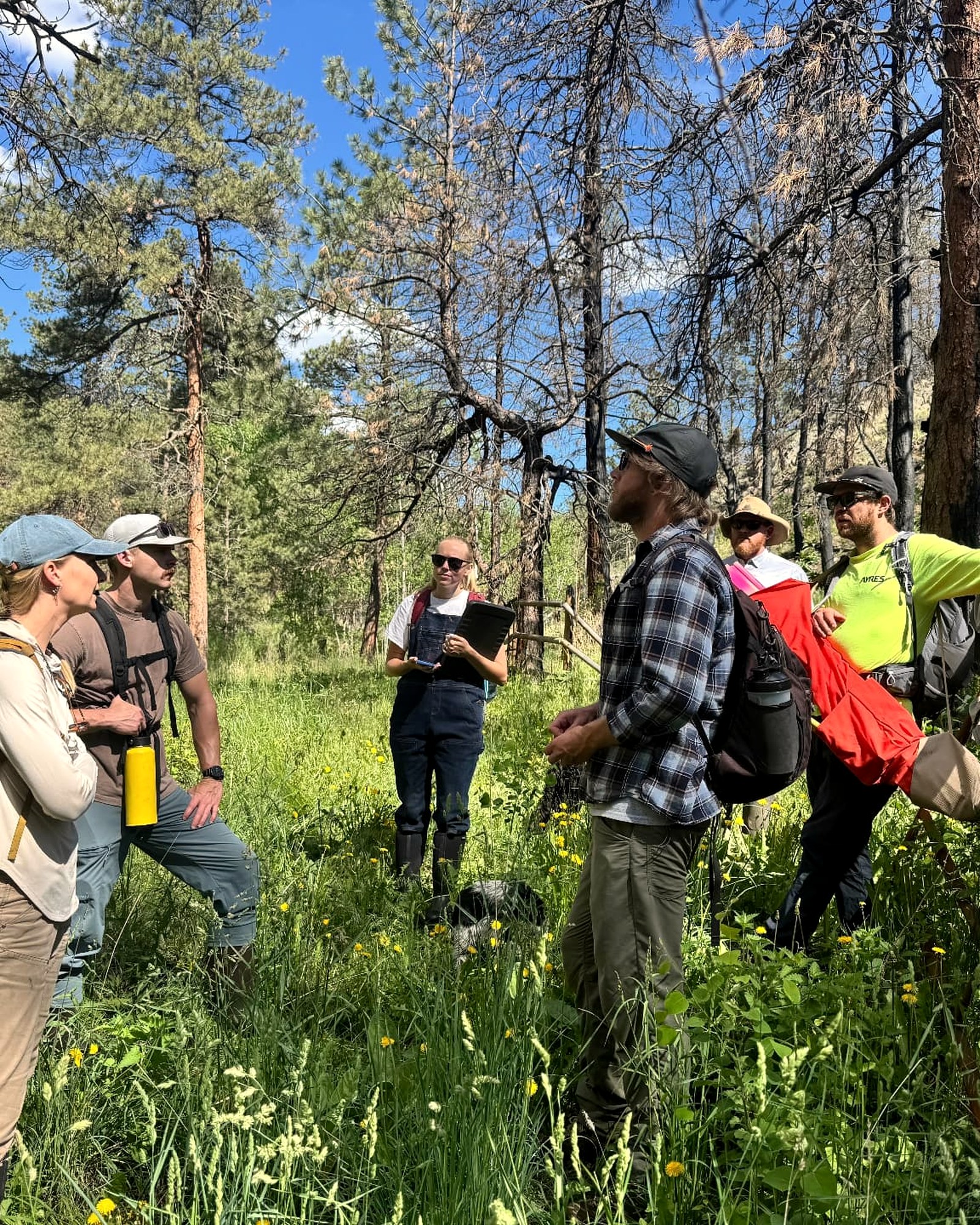
Fire mitigation, trail work and habitat projects surround the camp, so stewardship practice is a short walk from the fire ring.
Cow Camp remains under development. Access, capacity and course staging will be confirmed as the restoration progresses. Some Institute courses will be held on the main ranch and in the front country while the field campus is completed.
The approach is part of the curriculum
Participants travel to Cow Camp on foot or with horse support along the Resilience Trail corridor, navigating, reading terrain and observing sign along the way. Arrival is the first field exercise, not the preamble to one.