01
Reality
Students face a genuine situation with weather, weight, distance, and consequence.
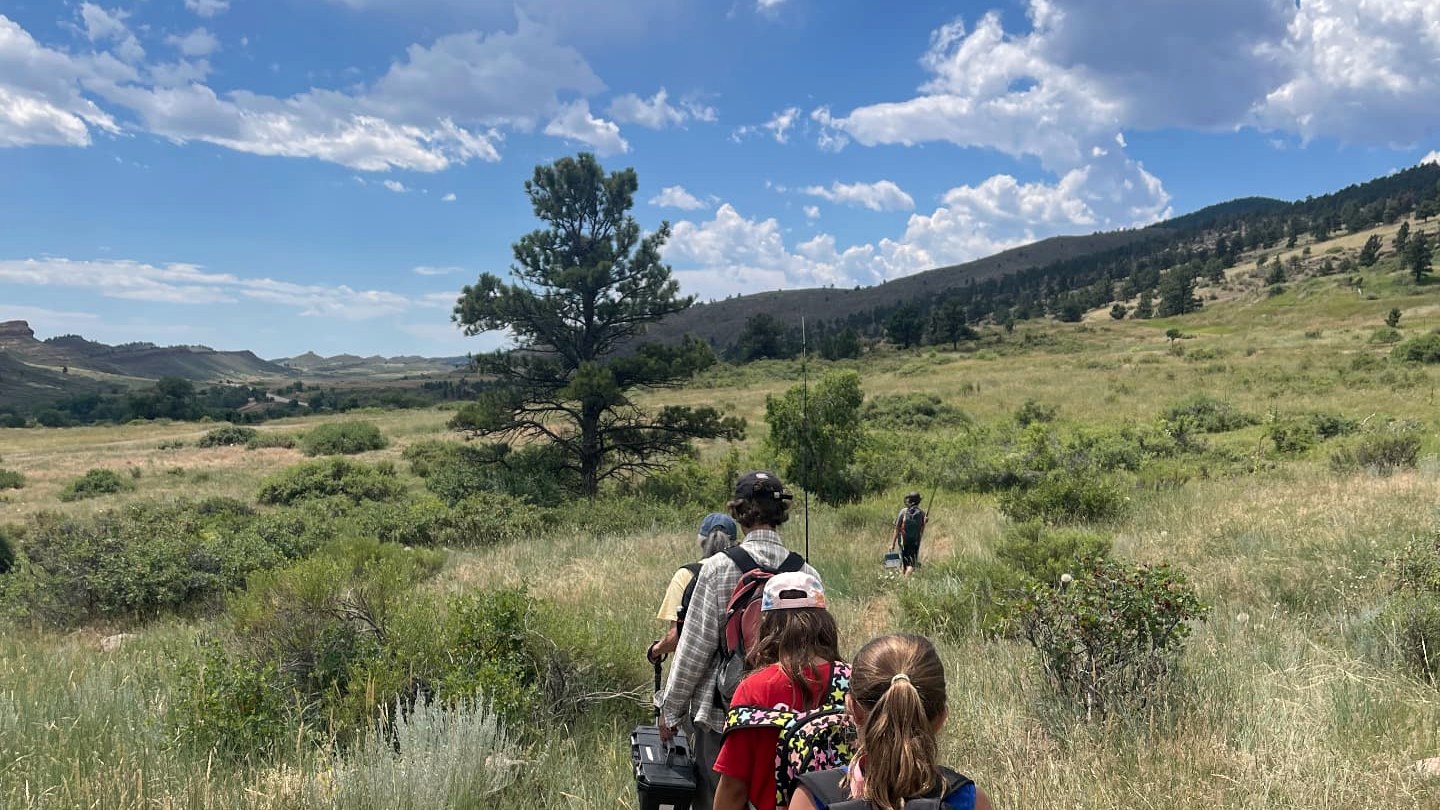
Multi-day wilderness expeditions that build leadership through real responsibility.
In the backcountry there is no way to opt out. The group carries its own food, water, shelter, and decisions. A student who chooses a poor route walks it. A student who helps a tired group member sees the whole group move faster.
Participants are divided into small groups they travel and work with throughout the expedition, learning to depend on the same peers day after day.
Distance and weight remove most of what young people usually rely on to be seen. What remains is judgment, effort, and how you treat people when everyone is tired.
The expedition is a leadership course, delivered on foot, one mile and one decision at a time.
Our curriculum follows a simple experiential learning cycle. Students are placed in a real context, taught the skills that context demands, given structured time to analyze what happened, and then sent back out to act on it.
Students face a genuine situation with weather, weight, distance, and consequence.
They learn what the situation demands: navigation, cooking, shelter, pacing, care of a peer.
Each day ends with structured debrief: what did we do well, and what can we do better?
The next day, they lead again with what they learned. The loop repeats until it becomes habit.
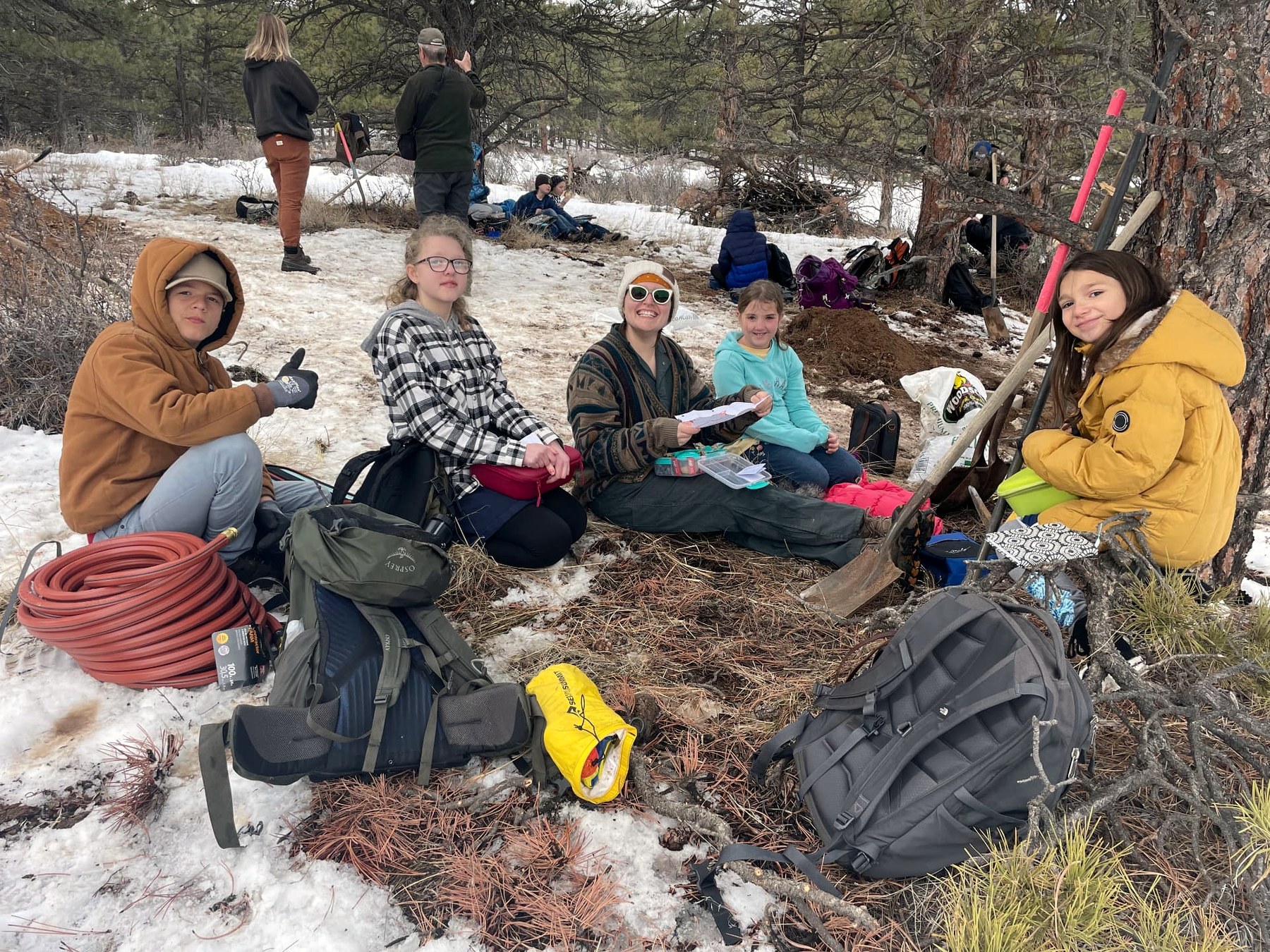
The course opens with a short intensive section: expedition behavior, equipment, route planning, risk, and Leave No Trace. Students pack and repack until the loads are right.
Then the group heads into the high country for roughly a week. Leadership rotates daily. Every student takes a turn setting the pace, calling the breaks, choosing camp, and answering for the outcome in that evening's debrief.
Expeditions may move through Sylvan Dale Legacy lands and connected public and National Forest lands in Colorado's Front Range high country, on fixed routes set in advance.
Routes are fixed in advance. Days may shift slightly with weather and permits, but the rhythm stays the same.
Introductions, expedition behavior, expectations, and the leadership rotation schedule.
Packs fitted, loads weighed and rebalanced, boots checked, food distributed across the group.
The classroom portion ends. Students carry everything they will need from here.
Site selection, water treatment, kitchen placement, and the first backcountry meal cooked by students.
A new leader of the day sets the pace, the route, and the schedule, and answers for all three.
Map, compass, and terrain association. The group navigates a section without instructor prompting.
A day near water studying the drainage, its life, and how it shapes travel and camp decisions.
Trail or habitat work in the backcountry, leaving the route better than the group found it.
The hardest day. A high objective earned by everything practiced so far.
Structured time alone with a journal, within sight of camp, to sort out the week.
The full group discusses what did we do well and what can we do better, and names what it learned about each other.
Return to the trailhead, gear accounted for, and recognition of what each student contributed.
No student is turned away for lack of gear. If a family cannot supply an item, tell us during registration and we will outfit the student quietly.
Heart-J Center is actively pursuing outdoor equity funding through the State of Colorado to expand access to leadership expeditions for more young people, including students who rarely get to the high country.
We are building this alongside community partners who already know these students and their families. Their guidance shapes how we recruit, prepare, and support participants.
This is a commitment to who gets to participate, not a campaign. We will report what we manage to do and what we do not.

Primarily high school students. We are building flexibility for future middle school and collegiate expeditions as the program grows.
No. The expedition opens with a classroom and skills section so every student starts with the same foundation.
The full course runs about ten days: a short intensive skills and classroom section followed by roughly a week in the backcountry.
Instructors carry wilderness medical certification and emergency communication. Risk management is taught to students, not hidden from them.
Small. Expeditions are sized so every student leads more than once and no one disappears into the back of the line.
The course fee is TBD and will cover instruction, group equipment, food, and permits. Contact us about availability and payment timing.
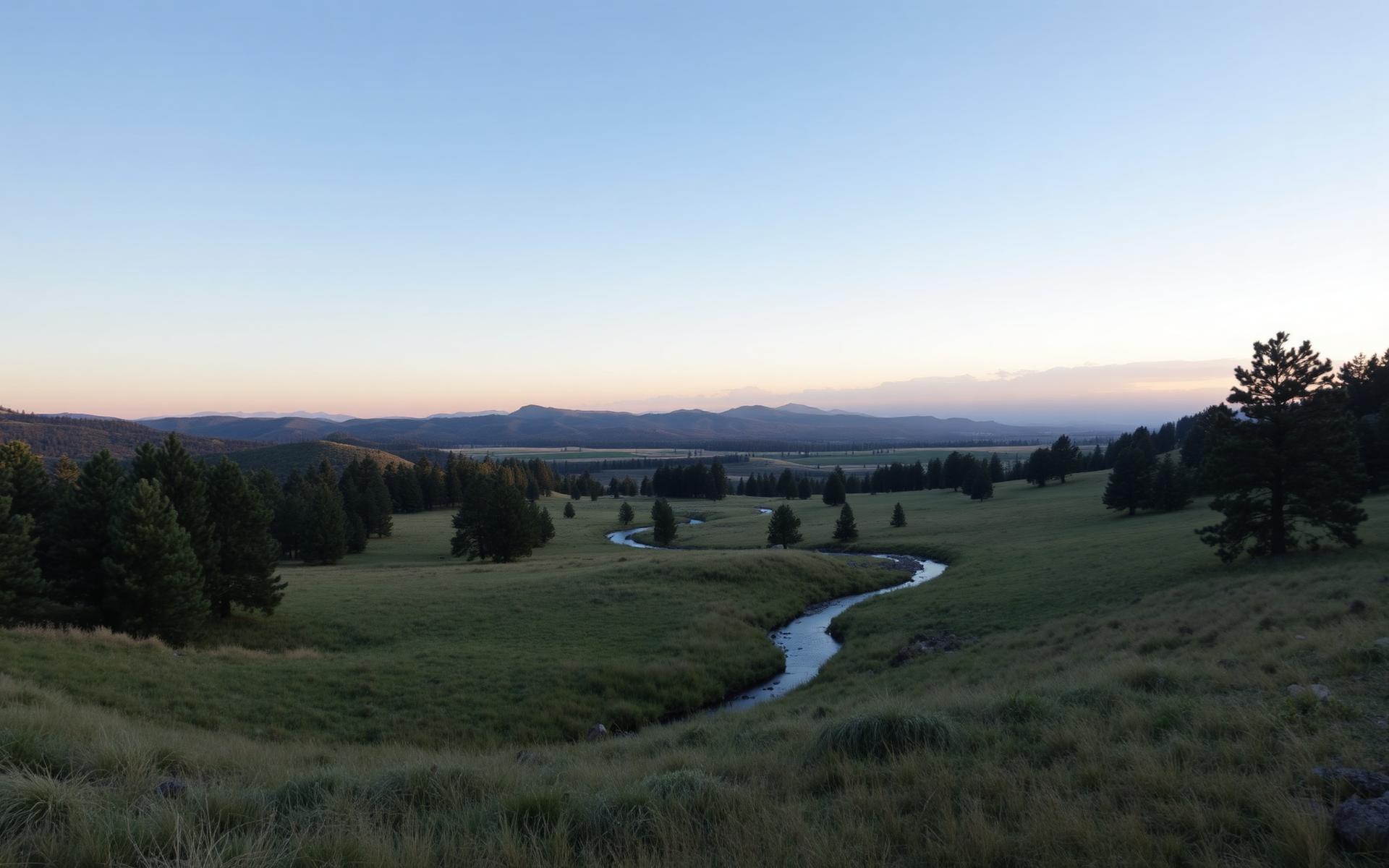
Expeditions launch in spring 2027. Students and families can get on the interest list now. Supporters can put a student on the trail who otherwise would not get there.